To choose a camping tent, match four things to how you camp: capacity (size up by one person for gear room), season rating (3-season suits most campers), packed weight and size (critical if you carry it, irrelevant if you drive), and budget ($100–250 for car camping, $200–450 for backpacking). Then pick the style — pole, pop-up, inflatable, or yurt — that fits your trips.
Start with how you camp
Before specs, answer one question: do you carry your tent or drive to it? Car campers can ignore weight and prioritize space and comfort. Backpackers trade everything for low weight and small packed size. Festival and beach goers want speed and shade over storm performance. The “best” tent is the one that fits your real trips — there isn't a single winner.
The 4 things that actually matter
Capacity — size up by one
Tent capacity ratings assume shoulder-to-shoulder sleeping with no gear. For comfort and a place to stash packs, choose a tent rated for one more person than your group.
Season rating
A 3-season tent handles spring through fall, including rain and moderate wind — what most campers need. A 4-season tent adds strength and warmth for snow and exposure, but it's heavier and less airy.
Weight & packed size
This only matters if you carry the tent. Backpackers should weigh the trade-off between weight and livable space; car campers can ignore it entirely.
Doors, vestibules & pitch
Two doors mean nobody climbs over anyone at 2am; vestibules keep boots and packs out of the rain. And an easy pitch matters more than you'd think when you arrive after dark.
How much does a tent cost?
Prices span a huge range. Here's what you actually get at each tier:
| Budget | What to expect |
|---|---|
| Under $80 | Festival/occasional use. Waterproofing and durability are usually the first compromises. |
| $100–250 | The car-camping sweet spot: roomy, weatherproof, lasts years with care. |
| $200–450 | Quality backpacking tents — light, packable, genuinely storm-worthy. |
| $450+ | Ultralight and 4-season specialists, or large glamping/yurt tents. |
Best tents by type
Once you know how you camp, pick the style. Not sure which? Compare every tent type side by side — weather, weight, space, and price. Our researched guides by type:
Best 2-person tents under $300, compared
Best 4-person tents (family & car camping)
Best 4-season tents for winter camping
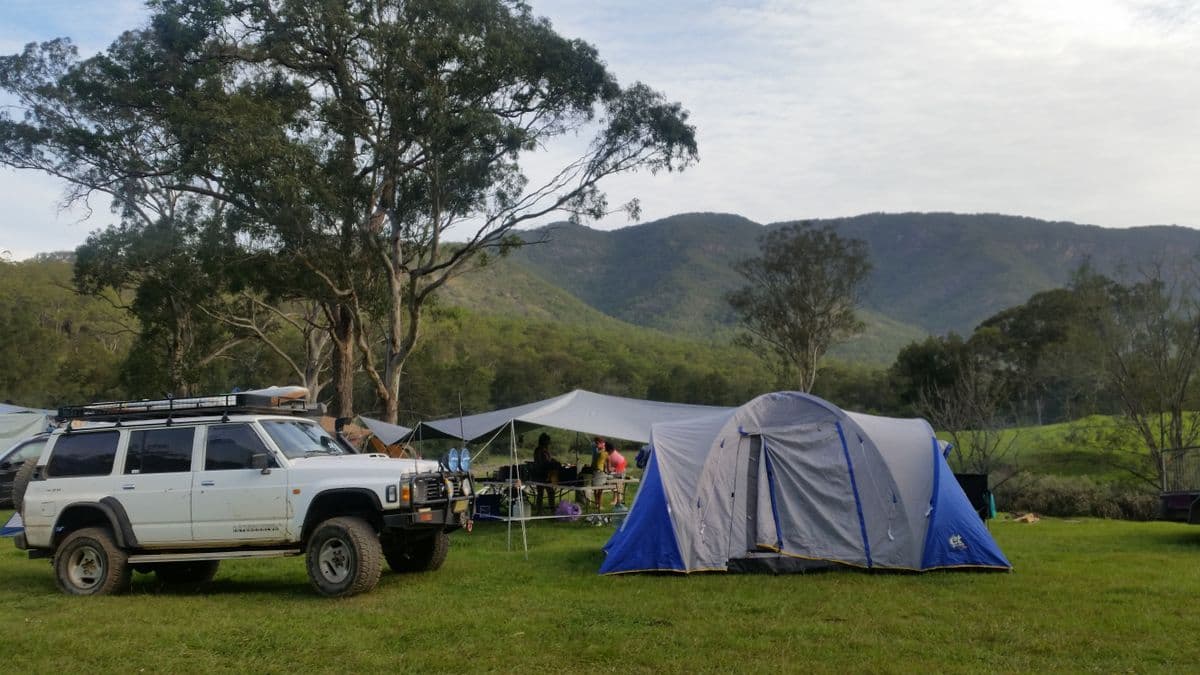
Best family tents (4–6 person)
Best pop-up tents (quick pitch)
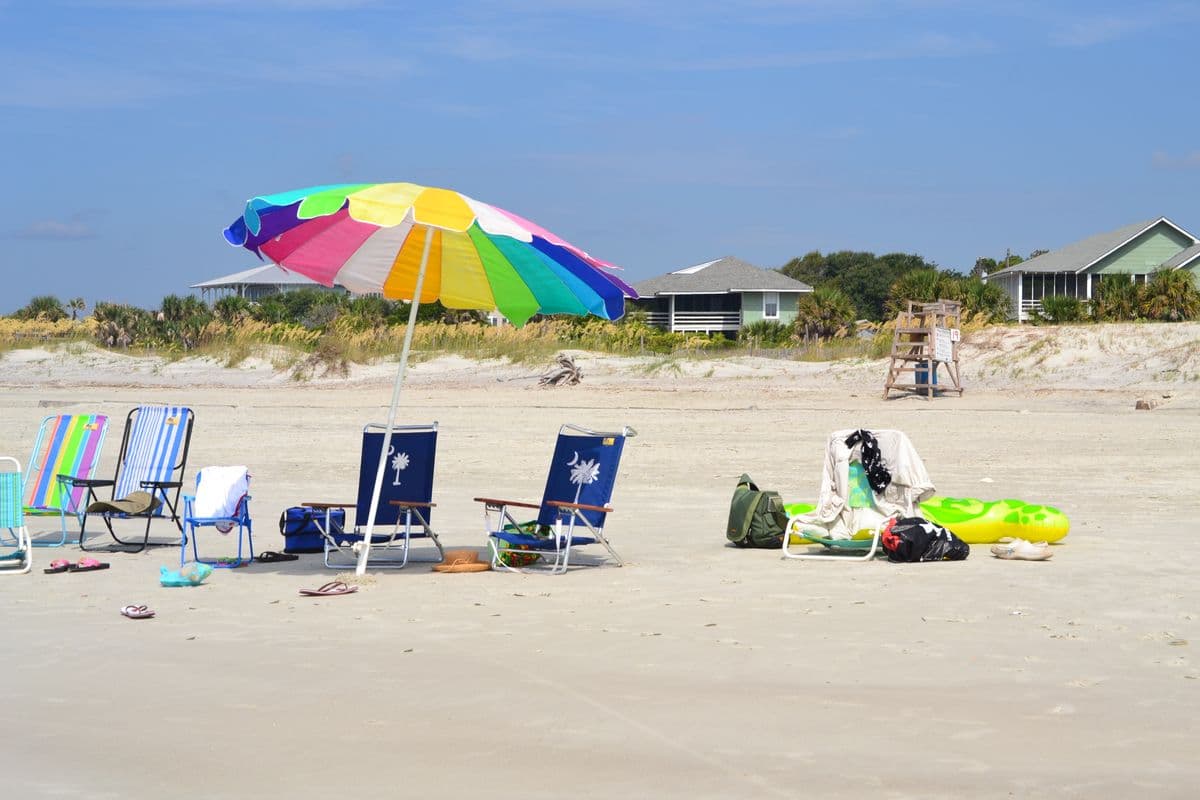
Best beach tents for shade & wind
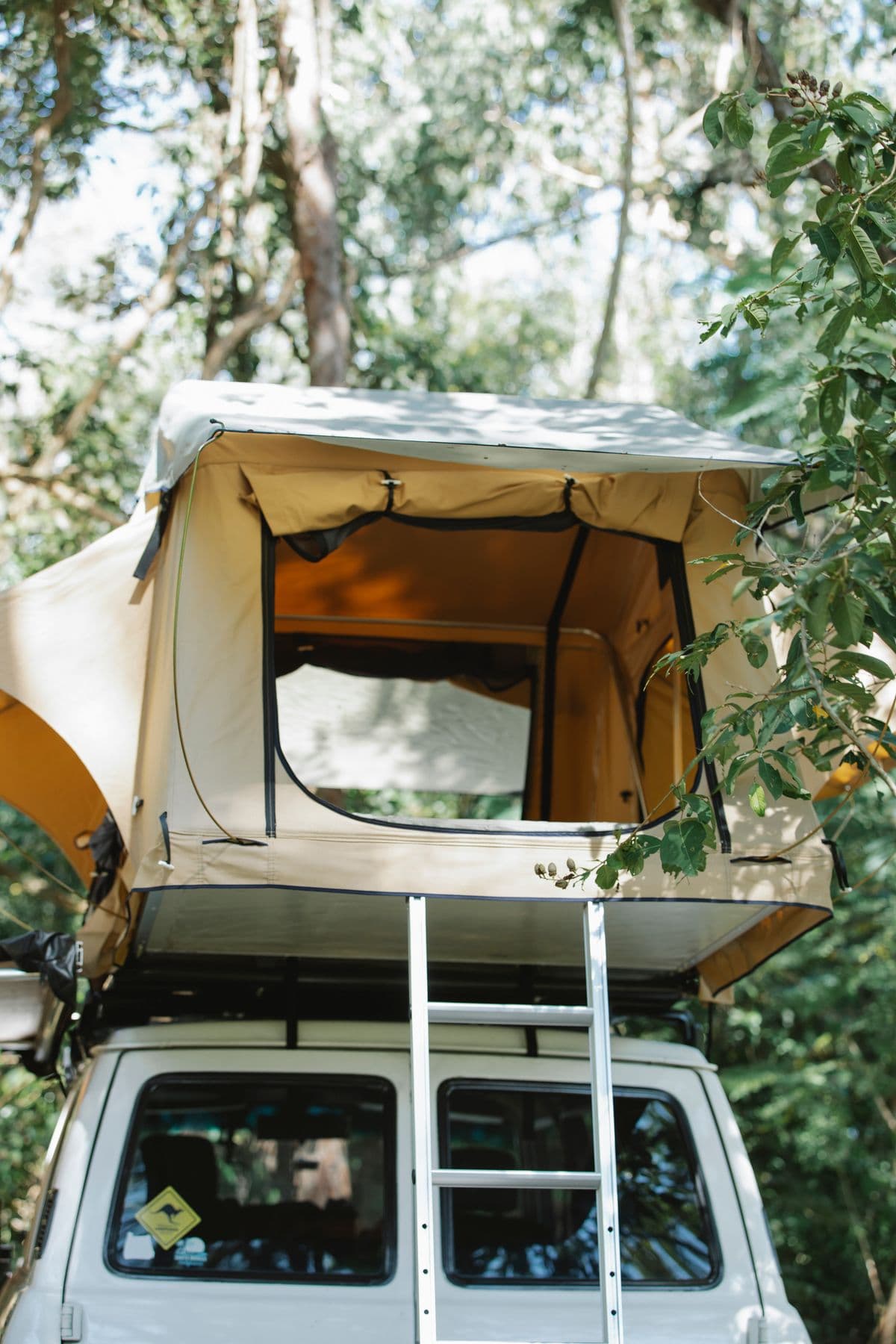
Best inflatable (air-pole) tents
Best yurt tents for glamping
Compare & decide
Stuck between two options? These head-to-head comparisons settle the common questions — pitch style, sleep system, size, and fit — and point you to the right picks:
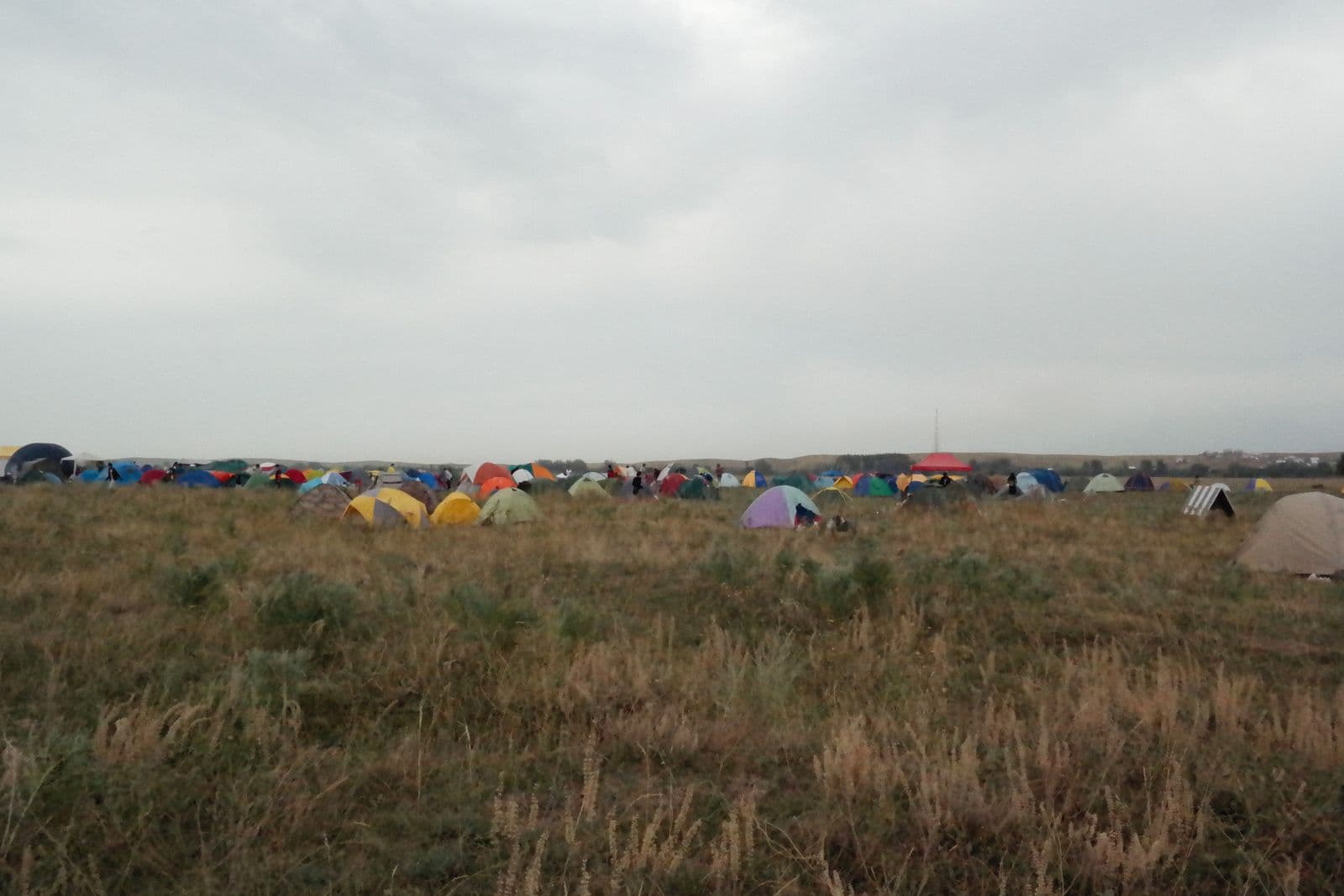
Tent comparison: 13 tents by the numbers
Tent types compared — which is right?
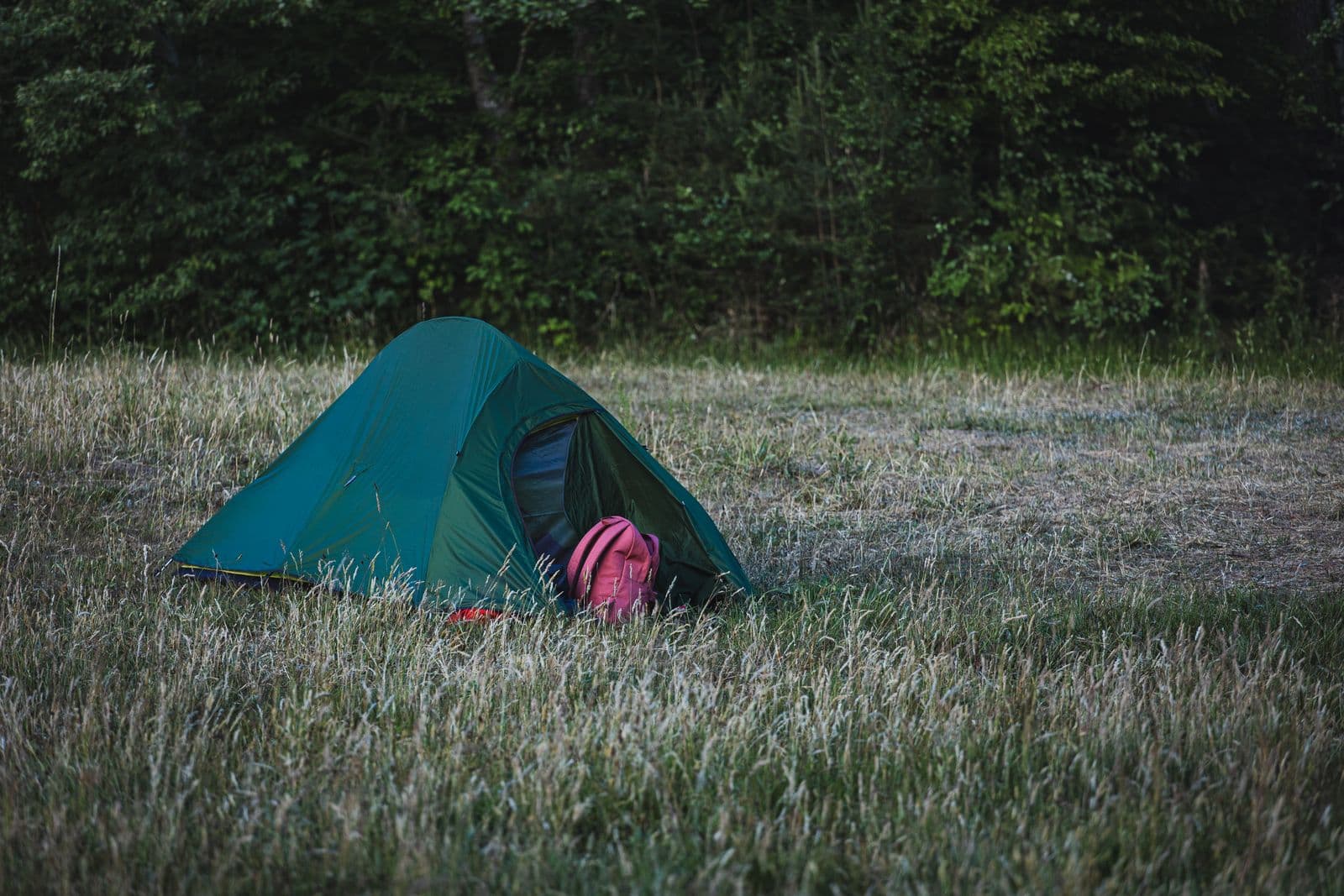
Tent fabrics: silnylon vs silpoly (& PFAS)
Bell tent vs yurt tent
3-season vs 4-season tent
Cabin vs dome tent
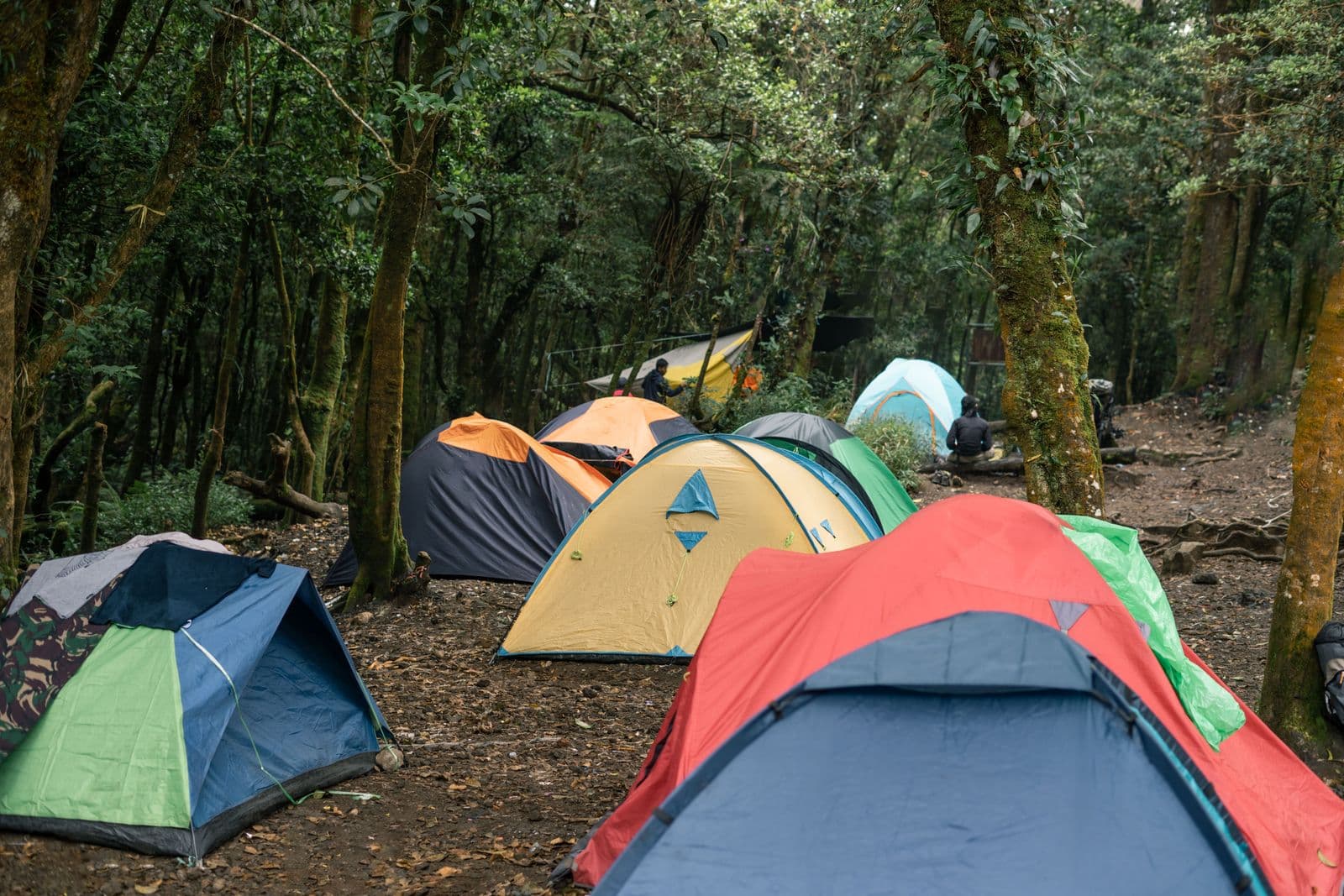
Pop-up vs regular tent
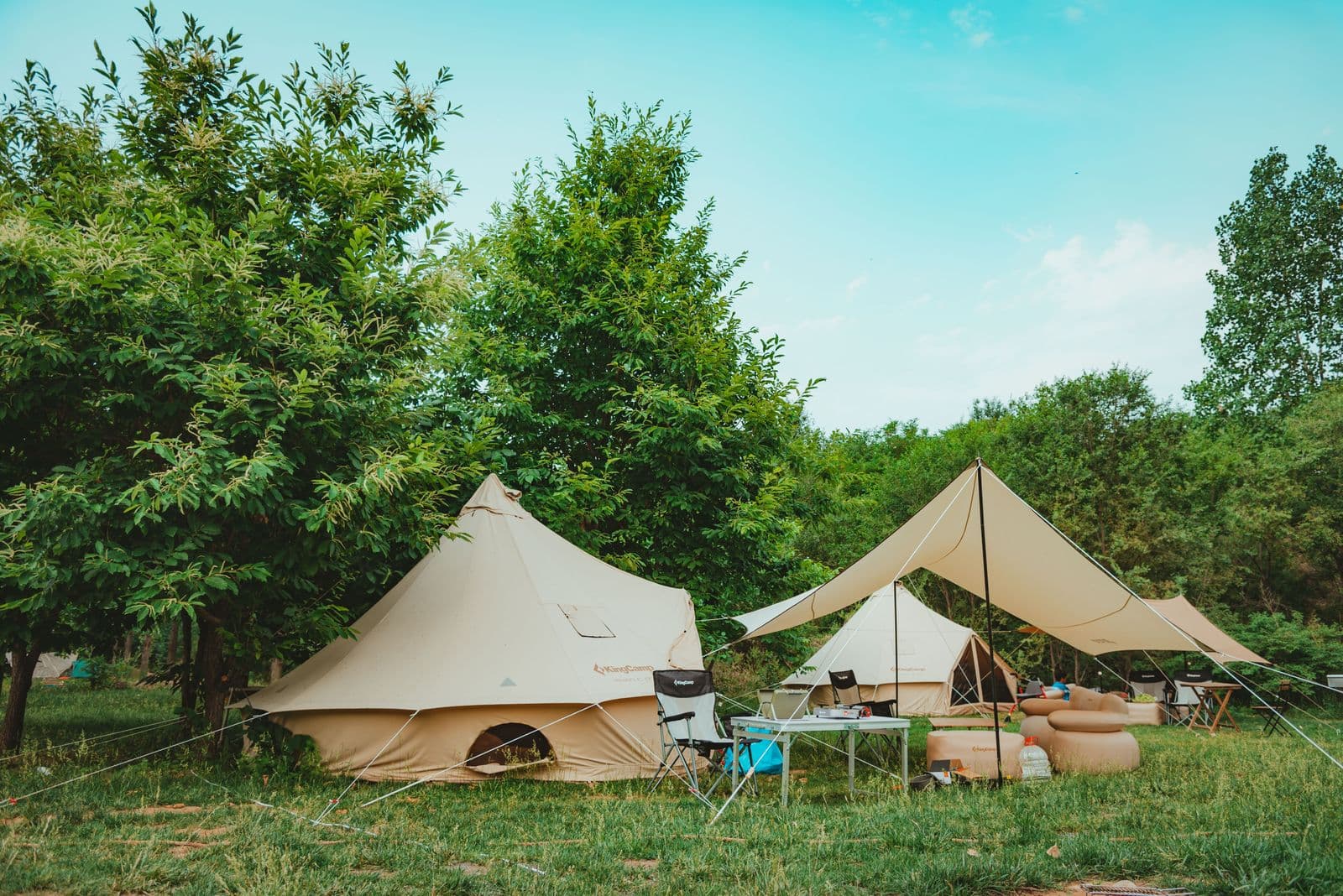
2-person vs 3-person tent
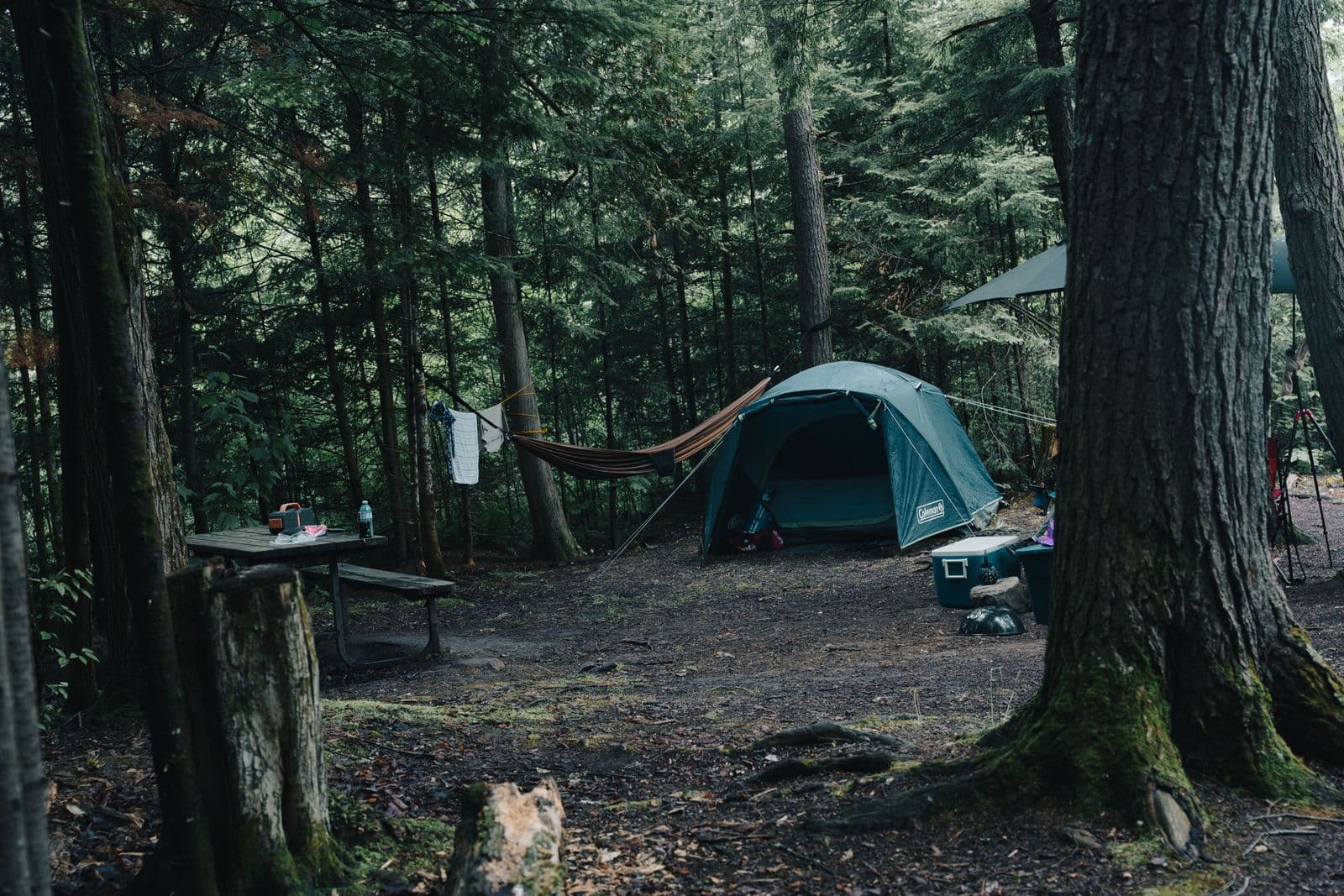
Tent vs hammock camping
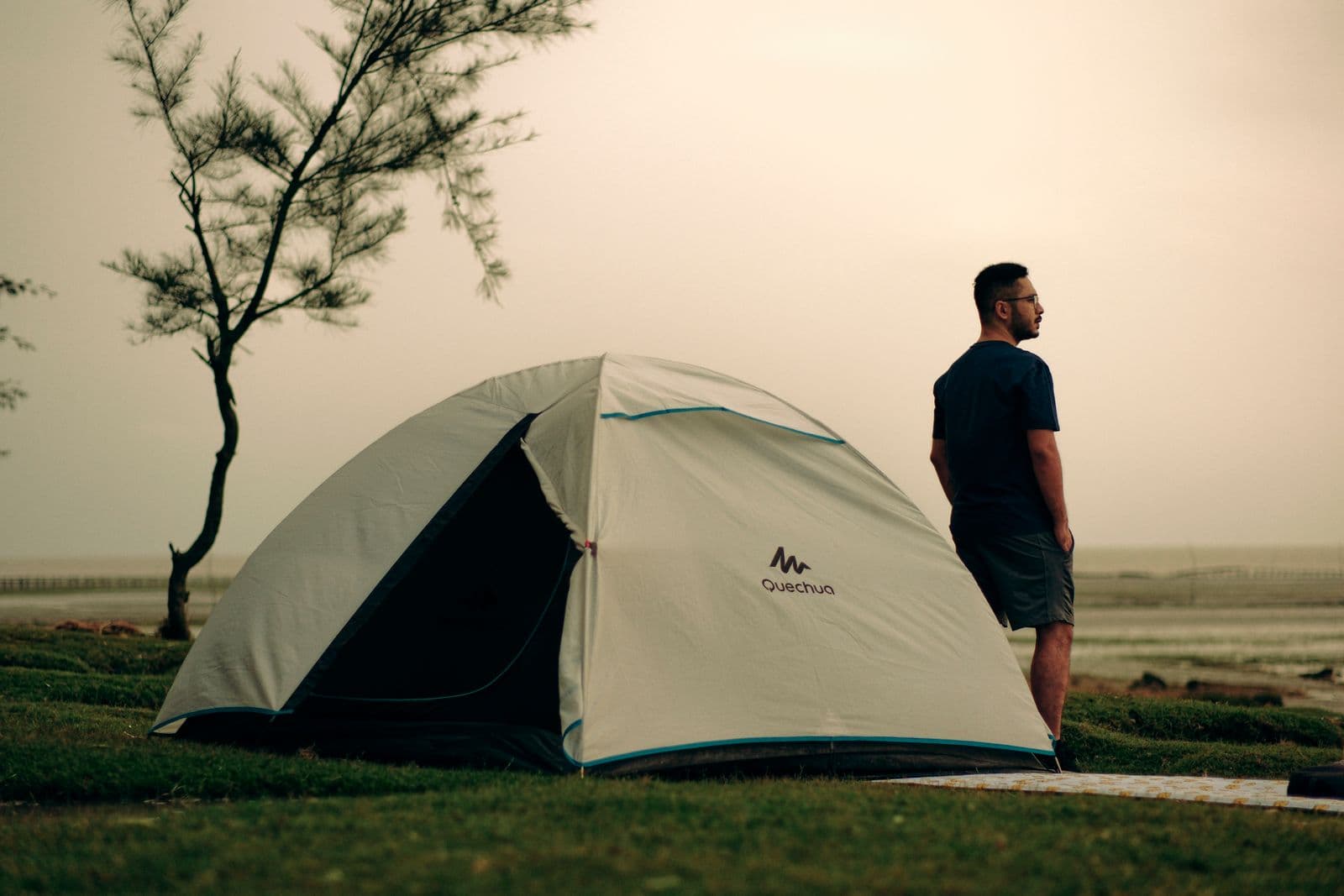
Best tent for tall people
Is a tent footprint worth it?
Tent care & how-tos
The right care doubles a tent's life. Our firsthand, step-by-step guides:
How to waterproof a tent (so it never leaks)
How to set up a tent, step by step
How to heat a tent (safely)
How to insulate a tent for winter
Why your tent gets wet inside
How to clean a tent (& kill mildew smell)
How to fold a pop-up tent
What is a tent footprint?
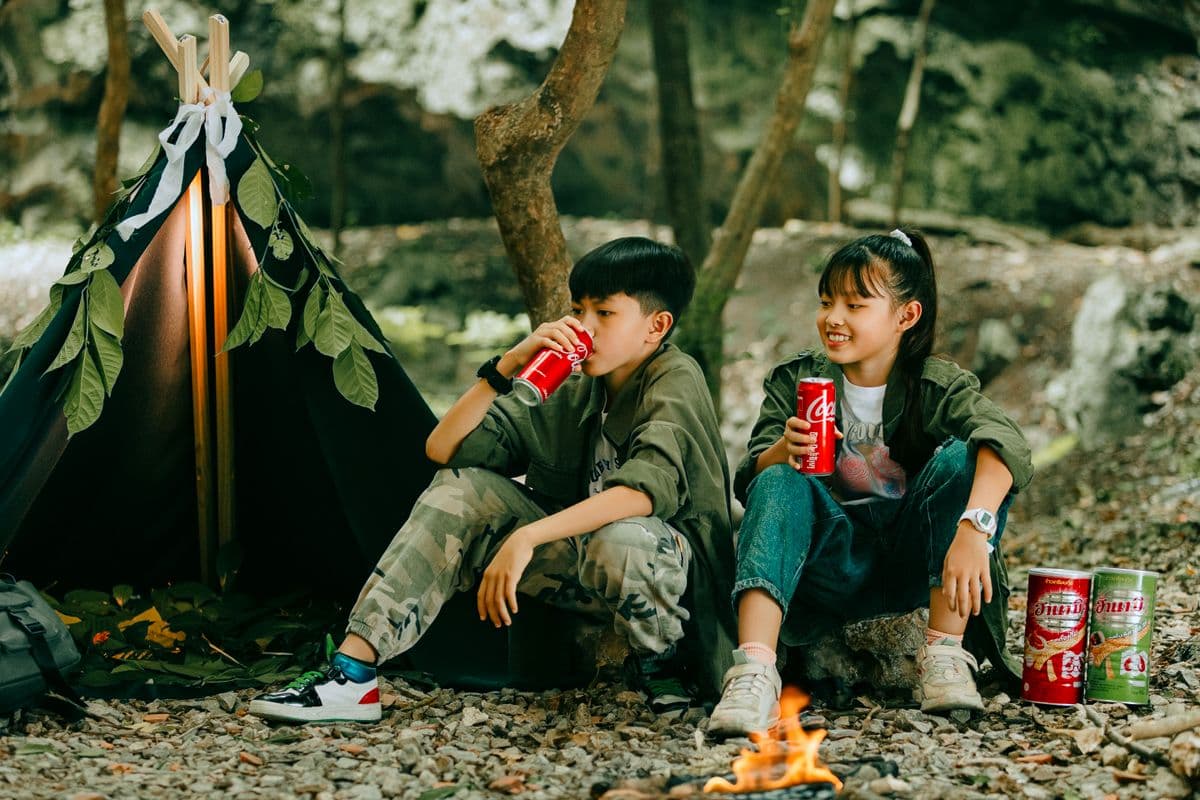
How to make a DIY kids' tent
FAQ
What size tent should I get?
Size up by one: a "2-person" tent fits two people with no room for gear. For comfort plus packs, pick a tent rated for one more person than your group.
What does a tent's season rating mean?
3-season tents handle spring–fall and most rain and wind. 4-season tents add strength and warmth for snow and harsh exposure, at the cost of weight and ventilation. Most campers want a 3-season tent.
How much should I spend on a tent?
A reliable car-camping tent runs roughly $100–250; a quality backpacking tent $200–450. Below about $80, waterproofing and durability usually suffer.
Pop-up tent or traditional?
Pop-ups pitch in seconds and suit festivals and the beach, but they're bulkier, less weatherproof, and trickier to fold. Pole tents handle wind and rain better for real camping.
Researched and maintained by Maya Ellison. See how we choose.