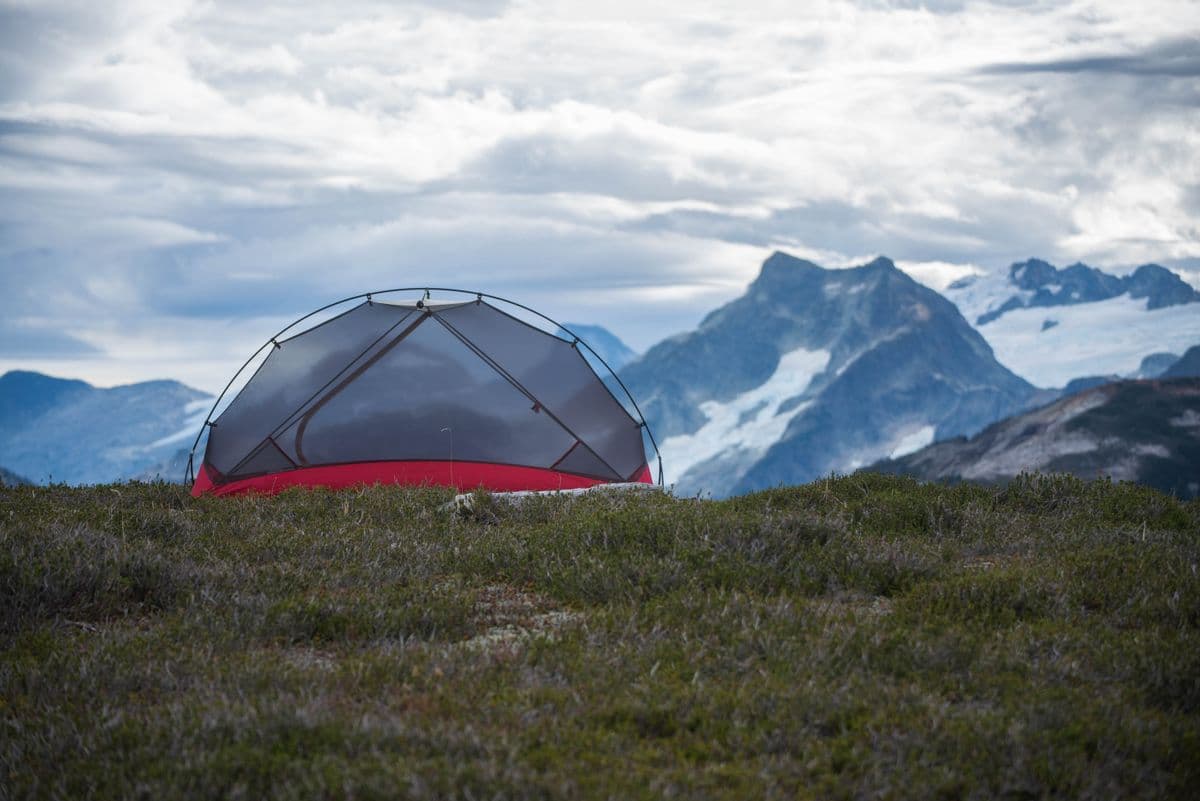
A tent footprint (also called a groundsheet or ground cloth) is a sheet cut to your tent's shape that goes under the floor to protect it from abrasion, punctures, and ground moisture. It must sit slightly inside the floor's outline — if it sticks out, rain pools under your tent. It's optional but cheap insurance for the costliest part of the tent.
What a footprint actually does
- Protects the floor from sharp grit, roots, and abrasion — the floor is the costliest part of a tent to replace.
- Adds a moisture barrier on damp or cold ground, so groundwater doesn't wick up through the floor.
- Keeps the underside clean, so you pack a dry, dirt-free tent and it lasts longer.
Do you actually need one?
Not always. A footprint earns its place on rough, rocky, or abrasive ground and under an expensive tent you want to last. On soft grass, or for occasional fair-weather camping, you can skip it — though at a few dollars for a DIY sheet, it's cheap insurance for the floor. We weigh the full trade-off in is a tent footprint worth it.
The quick denier rule
Denier (D) measures the thickness of the threads in a fabric — higher means tougher. It's the fastest way to decide: if your tent floor is 30D or higher (most car-camping tents run 68D+), you can usually skip the footprint on normal ground. The tents that genuinely need one are ultralight models with 7–20D floors, where saving weight made the fabric fragile. Footprints themselves run roughly 60–300D; branded fitted ones typically cost $40–$200 and weigh anywhere from a few ounces to over a pound — which is exactly why backpackers reach for the DIY options below instead.
Footprint vs tarp vs DIY
A manufacturer's fitted footprint is tidy and pre-sized, but it's the priciest option and often the heaviest. Most campers get the same protection for less from a trimmed sheet of Tyvek, polycro (window-insulation film), or a cheap painter's/poly tarp — cut to sit just inside the tent floor. Here's how the common choices compare:
| Option | Weight | Durability | Cost | Best for |
|---|---|---|---|---|
| Branded fitted footprint | Heaviest | High | $$$ | Convenience, exact fit |
| Tyvek (house wrap) | Light | High | $ | Durability per dollar |
| Polycro (window film) | Lightest | Medium | $ | Ultralight backpacking |
| Painter's / poly tarp | Heavy | Medium | $ | Cheapest car-camping option |
For backpacking, polycro and Tyvek are the favorites — both pack tiny and cost a fraction of the branded sheet. Tyvek is tougher (and a little crinkly until you wash it); polycro is lighter but wears out sooner.
How to size it: smaller than the floor
This is where people go wrong. If the ground sheet pokes out past the tent, water sheeting off the fly lands on the exposed edge and runs under you — soaking you from below. Size it so it sits about an inch or two inside the floor's outline on every side, with no edge visible from outside the pitched tent. For a DIY sheet, lay your pitched tent on the material, trace the floor, and trim just inside the line.
Footprint vs groundsheet: inside or outside?
A footprint goes under the tent — between the floor and the ground — and is the first thing you lay down. Some campers also put a thin ground cloth inside the tent as a comfort or wear layer; that's optional and separate. The water-shedding layer that actually protects the tent is the one underneath, sized per the rule above.
FAQ
Do I really need a tent footprint?
Not always. It's worth it on rough, rocky, or abrasive ground and for expensive tents you want to last. On soft grass or for occasional camping, you can skip it — but it's cheap insurance for the floor, which is the costliest part to replace.
Footprint vs tarp — what's the difference?
A footprint is a fitted ground sheet cut to your tent's shape; a tarp is a cheaper, general-purpose sheet you trim yourself. A tarp works fine as long as you fold it so no edge sticks out past the tent floor.
Why must a footprint be smaller than the tent?
If the footprint extends past the tent floor, rain runs off the fly, lands on the exposed edge, and pools under your tent — soaking you from below. It must sit slightly inside the floor's outline.
Can I make my own tent footprint?
Yes. Polycro (window insulation film), Tyvek, or a cheap tarp cut just inside your tent's floor dimensions all work, often lighter and cheaper than the branded version.
Is a footprint worth the extra weight for backpacking?
For ultralight trips, most people skip the branded footprint and use polycro or Tyvek instead — both weigh just a few ounces and pack tiny, so you keep the floor protection without the bulk or cost.
Can I use a footprint inside the tent instead?
The protective sheet belongs under the tent, where it shields the floor and blocks ground moisture. A thin cloth inside is fine as an extra comfort or wear layer, but it doesn't replace a properly sized footprint underneath.
What denier tent floor needs a footprint?
As a rule of thumb, floors of 30-denier and up can usually go without a footprint on normal ground — many car-camping tents run 68D or more. Ultralight tents with 7–20D floors are the ones that genuinely benefit, since thin fabric punctures far more easily. On abrasive rock or sandy grit, even a tough floor appreciates the extra layer.
Setting up? See how to pitch a tent, or how to choose one. Wondering whether to buy one? Read is a tent footprint worth it.