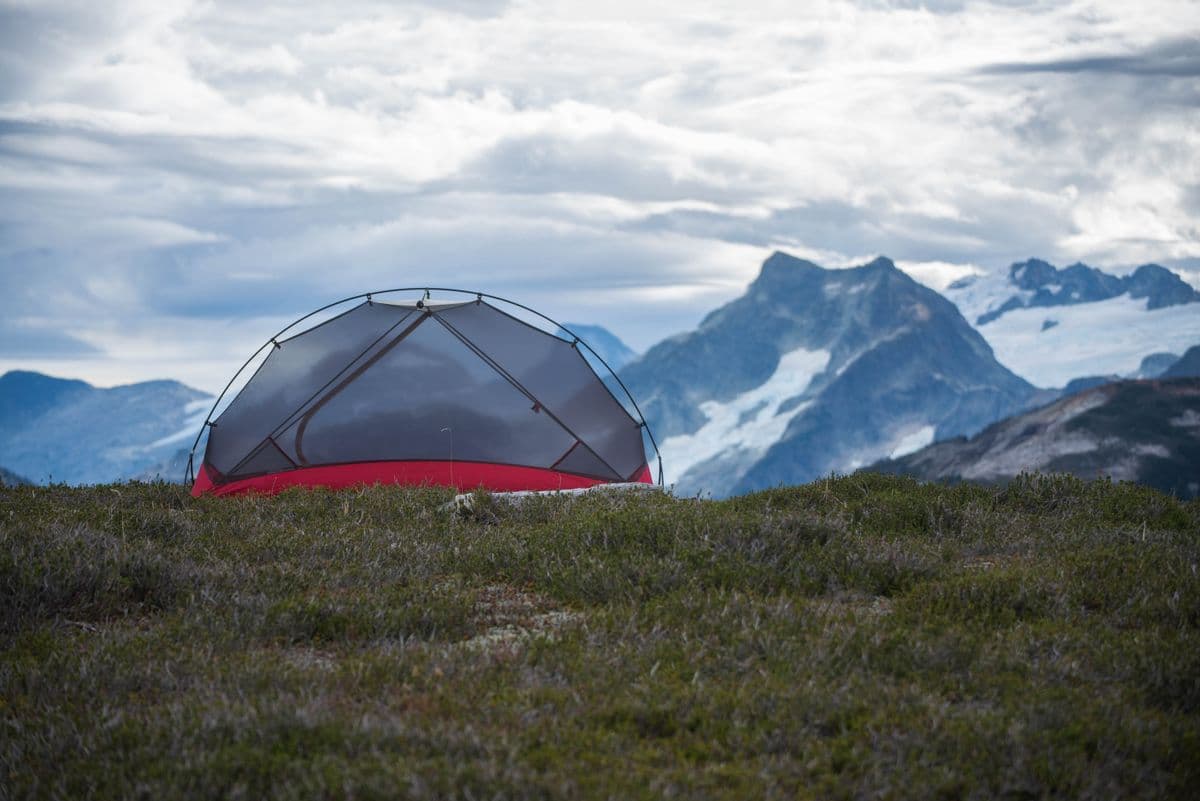
A tent footprint is worth it if your tent is expensive or ultralight, you camp on rough ground, or you camp often — it protects the floor (the first part to wear out) from abrasion and punctures, which is cheap insurance on a costly tent. If you camp occasionally on grass with a tough-floored tent, it's optional, and a DIY groundsheet (Tyvek or polycryo) does the same job for far less. Match the spend to the tent and the ground.
A footprint is a ground-shaped sheet that goes under your tent to shield the floor from abrasion, punctures, and moisture. The question isn't whether it helps — it does — but whether it's worth the money for you, because the answer genuinely depends on your tent, your ground, and how often you camp. (New to the idea? Our explainer on what a tent footprint is covers the basics first.)
When a footprint is worth it
Here's the honest call, by situation — and where a cheaper DIY version makes more sense.
| Your situation | Footprint worth it? | Why |
|---|---|---|
| Pricey or ultralight tent | Yes | Protects a thin, costly floor — cheap insurance |
| Rough, rocky, or root-filled ground | Yes | Guards against abrasion and punctures |
| Frequent or long-term camping | Yes | Wear adds up; the floor lasts much longer |
| Wet ground / you pitch in rain a lot | Often | A clean dry layer; faster, cleaner pack-down |
| Tough-floored car-camping tent | Optional | The floor can usually take it; nice-to-have |
| Occasional fair-weather camper on grass | Skip it | Little wear; pick your spot and you're fine |
| On a budget | DIY it | Tyvek or polycryo does the same job for less |
The case for a footprint
The floor is usually the first part of a tent to fail — ground-up abrasion thins the coating, and a sharp stone or root can puncture it. A footprint takes that wear instead, and a $30–50 sheet protecting a $300+ tent is cheap insurance. It also keeps the underside clean and dry, so you pack away a tidy tent rather than a muddy one, and on many backpacking tents you can pitch the fly and footprint alone as a minimalist, bug-free shelter in fair weather.
- Expensive or ultralight tents with thin floors
- Rocky, rooty, or abrasive ground
- Frequent campers — wear compounds over seasons
- Cleaner, faster, drier pack-down
- Tough-floored car-camping tent on grass
- You camp only a few fair-weather nights a year
- You're on a budget (make one instead)
The cheaper way: DIY a footprint
You don't need the branded sheet to get the protection. The two campers' favorites:
- Tyvek (housewrap) — tough, light, cheap, and easy to cut to your tent's shape. The classic budget footprint.
- Polycryo (clear window-insulation film) — ultralight and surprisingly durable; popular with backpackers counting grams.
- A trimmed tarp — fine, as long as you cut it smaller than the floor. A footprint that sticks out past the tent edges channels rain underneath and pools it against the floor.
Cut any of these an inch or two inside the tent's footprint and you've matched the branded sheet's protection for a few dollars. Prefer the exact-fit convenience? A made-to-fit footprint or universal groundsheet saves the cutting.
How we judge this: based on the consistent, published behavior of tent floor materials and the patterns across many owner reviews — not lab testing. See how we choose.
The bottom line
If you've invested in a good tent or you camp on rough ground often, get a footprint — branded or DIY — and your floor will last years longer. If you're an occasional fair-weather camper with a sturdy tent, you can skip it, pick your pitch carefully, and spend the money on a better sleeping pad instead, which does far more for your comfort and warmth. Either way, learning to pitch on a clean, cleared spot protects the floor more than any sheet.
FAQ
Is a tent footprint worth it?
Often, yes — but not always. A footprint is clearly worth it for expensive or ultralight tents, rough or rocky ground, and frequent campers, because it protects a costly or thin floor from the abrasion and punctures that wear tents out. For an occasional fair-weather camper on grass with a tough-floored tent, it's optional, and a cheap DIY groundsheet does the same job for less.
What does a tent footprint actually do?
It's a ground-shaped sheet that sits under your tent to protect the floor from abrasion, punctures, and ground moisture, and to keep dirt off so the tent packs away cleaner. It extends the life of the tent floor — usually the first part to wear out — and gives you a clean, dry layer to work on. See our explainer on what a tent footprint is for the full rundown.
Can I use a tarp instead of a footprint?
Yes, but cut or fold it slightly smaller than the tent floor. A tarp that sticks out past the edges funnels rain underneath the tent and pools water against the floor — the opposite of what you want. A trimmed tarp, Tyvek sheet, or polycryo (window-film) groundsheet all work well as cheaper alternatives.
Is a DIY footprint as good as the branded one?
For protection, essentially yes. A piece of Tyvek (housewrap) or polycryo cut to size protects the floor just as well as the brand's footprint, often at a fraction of the price and weight. The branded version's advantages are a perfect fit and, on some tents, the ability to pitch the fly-and-footprint alone in the rain.
Do you need a footprint if your tent floor is thick?
Not necessarily. Burly car-camping tents have thick, durable floors that handle normal ground fine, so a footprint there is a nice-to-have rather than a must. The case for one gets stronger as the floor gets thinner and the tent gets more expensive — that's where the protection pays for itself.
Does a footprint keep you warmer or drier?
Drier, a little — it adds a moisture barrier and keeps groundwater off the floor — but it does almost nothing for warmth. Cold comes up through the floor by conduction, and only a sleeping pad with enough R-value stops that. Don't buy a footprint expecting it to make the tent warmer.