Choose a tent for families, cold weather, and open or treeless sites — it pitches almost anywhere, insulates more easily, and shelters a group. Choose a hammock for solo or duo backpacking in forests, on rough or sloped ground where no tent would sit flat: it's often lighter and very comfortable, but needs two trees, a tarp for rain, a bug net, and an underquilt for warmth. Where you camp decides more than anything.
The choice between a tent and a hammock isn't really about comfort — it's about where and how you camp. A tent is a self-contained shelter you can pitch on almost any patch of flat-ish ground, with the mesh, fly, and space built in. A hammock trades the floor for suspension between two trees, which is liberating in a forest and useless on a beach. The rest — warmth, rain, bugs, weight — follows from that core difference. New to shelters generally? Start with our guide to choosing a tent, or compare every tent type side by side.
Tent vs hammock, side by side
The trade-off in one table. “Best for” is the headline; the rest is why.
| Factor | Tent | Hammock |
|---|---|---|
| Where you can sleep | Almost anywhere with flat ground | Needs two solid trees ~10–15 ft apart |
| Comfort | Familiar; depends on your pad | Loved or hated; no pressure points once dialed in |
| Cold weather | Easier to insulate | Cold from below — needs an underquilt |
| Rain | Self-contained with the fly | Needs a separate tarp pitched well |
| Bugs | Built-in mesh | Needs a bug net (or all-in-one model) |
| Weight (full setup) | Light to heavy | Often lighter — but tarp + underquilt add up |
| Group / family | Sleeps 1–8 together | One person per hammock |
| Best for | Families · cold · open or treeless sites | Solo & duo backpacking · forests · rough ground |
Tent camping
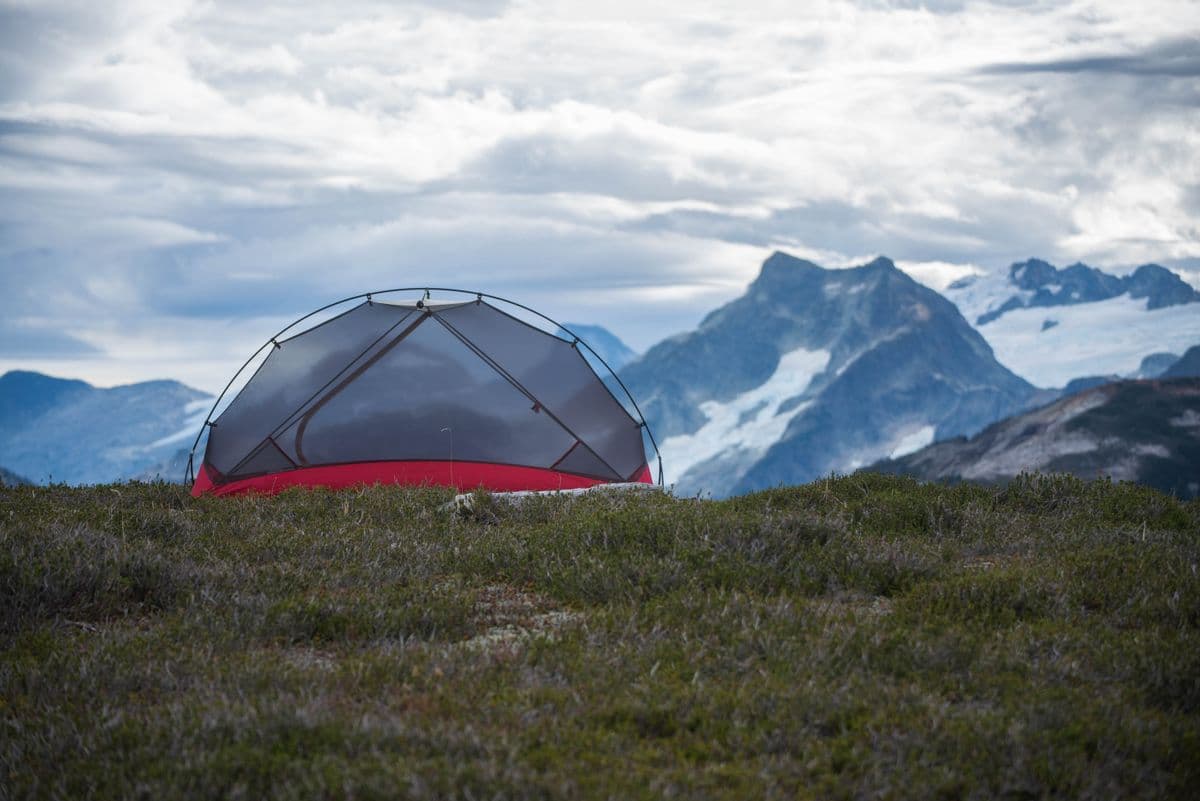
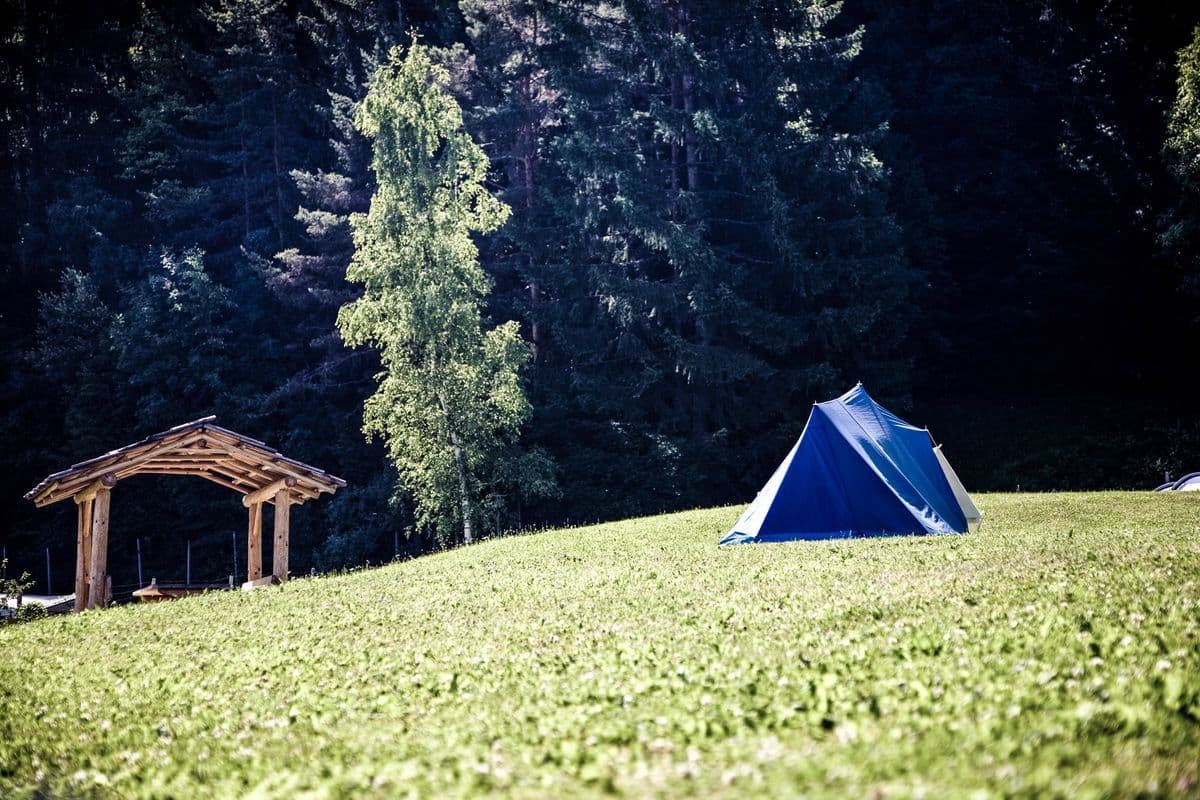
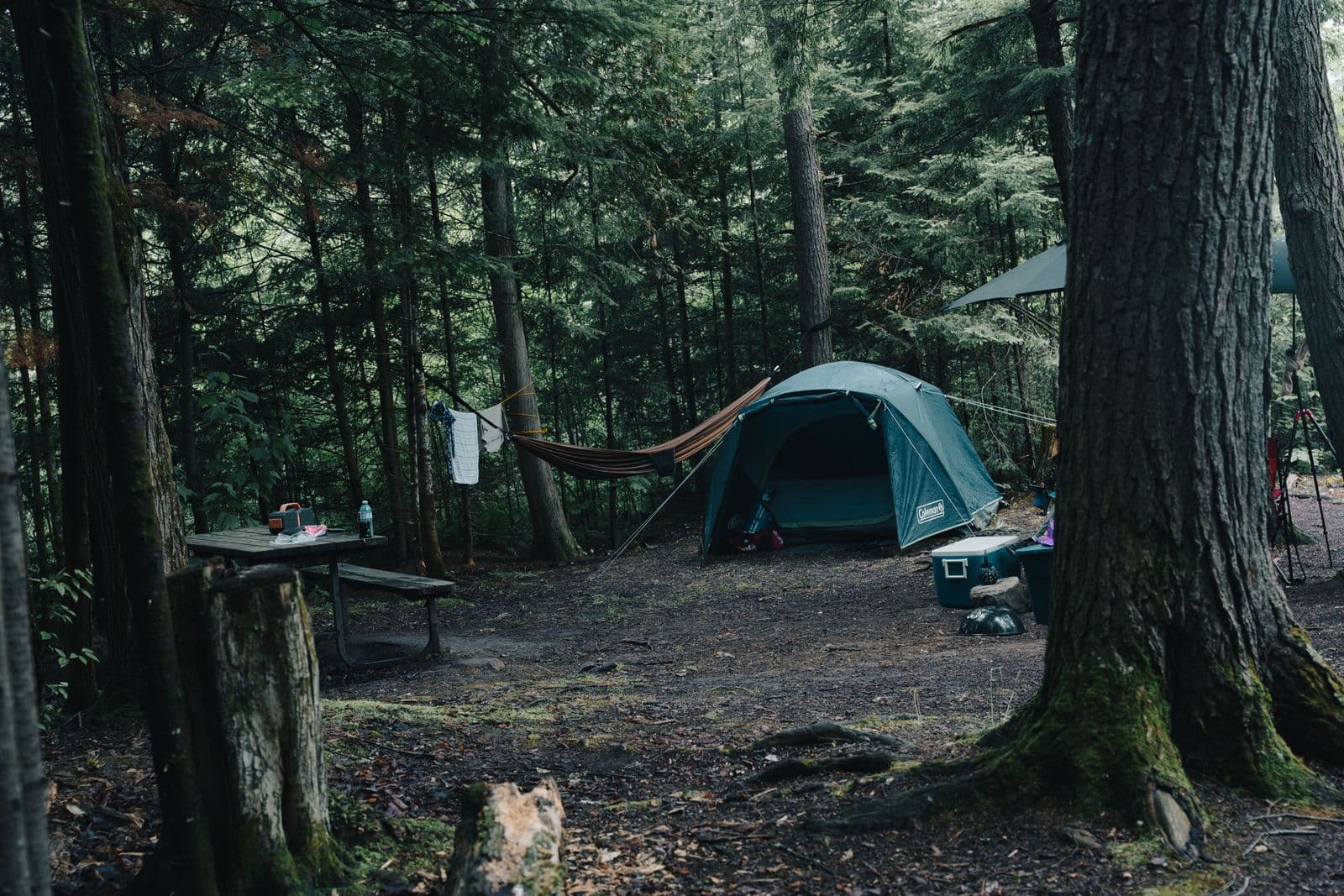
A tent is the default for a reason: it pitches on nearly any flat ground — forest, field, beach, alpine pad — with no trees required, and everything you need (a floor, bug mesh, a rain fly) is built in. It's the only realistic choice for families and groups, since one tent sleeps several people, and it's far easier to keep warm in the cold because it traps a pocket of still air around you. The trade-off is that you're sleeping on the ground, so your comfort lives and dies by your sleeping pad, and a heavy tent is a lot to carry.
- Pitches almost anywhere — no trees needed
- Sleeps families and groups together
- Easier to keep warm in cold weather
- Self-contained: floor, mesh, and fly built in
- Comfort depends entirely on your pad and the ground
- Needs flat, rock- and root-free ground
- Larger tents get heavy and bulky
Best for: families, cold-weather and open or treeless sites, and anyone who wants one simple, familiar shelter. See our 2-person tent picks and family tents.
Hammock camping
Hung right — a shallow sag, lying slightly diagonal — a camping hammock removes the pressure points of the ground entirely, and it lets you sleep well on slopes, roots, and rocky terrain where no tent would sit flat. It can also be lighter to backpack. But a hammock is a system: on its own it has no warmth, no rain cover, and no bug protection. To actually camp in one you add a tarp overhead, a bug net, and — crucially — an underquilt, because your body compresses any insulation beneath you and cold air steals heat from below. And it all hangs on finding two solid trees the right distance apart.
- No pressure points once it's dialed in
- Sleeps well on slopes, roots, and rough ground
- Often lighter for solo backpacking
- Suspended above puddles and runoff
- Needs two solid trees the right distance apart
- Cold from below without an underquilt
- Tarp + net + underquilt add weight and cost
- One person per hammock — no good for families
Best for: solo and duo backpackers in wooded terrain, rough or sloped sites, and anyone who sleeps badly on the ground. A complete setup means a hammock plus a tarp, bug net, and underquilt — budget for the whole system, not just the hammock.
How we compare: these are the consistent, published characteristics of each sleep system and the patterns across many owner reviews — not lab testing. See how we choose.
So, which should you choose?
Start with the site and the season. Camping with family, in the cold, or anywhere without reliable trees? Take a tent. Backpacking solo or as a pair through forest, on ground too rough or sloped to pitch on? A hammock is genuinely better — once you've added the tarp, net, and underquilt. Plenty of campers keep both and pick per trip. Whichever you choose, your warmth still comes down to insulation: a good pad in a tent, or a good underquilt under a hammock. Compare sleeping-bag fills and pads next.
FAQ
Is hammock camping better than tent camping?
Neither is universally better — it depends on where and how you camp. Hammocks shine for solo and duo backpacking in forests, on rough or sloped ground where no tent would sit flat. Tents win for families, cold weather, treeless or open sites, and anyone who wants a familiar, self-contained shelter. Many campers own both.
Is a hammock warmer or colder than a tent?
Colder, unless you add insulation. In a hammock your body weight compresses any sleeping bag underneath you, so cold air strips heat from below — you need an underquilt (or a pad inside) to stay warm. A tent traps a pocket of still air and is easier to insulate, so for cold-weather camping a tent is more forgiving.
Do you need trees to hang a hammock?
Yes — two solid, healthy trees roughly 10 to 15 feet apart, each at least about 6 inches thick, with wide straps to protect the bark. That tree requirement is the hammock's biggest limitation: it rules out beaches, deserts, alpine zones, and many open campsites where a tent would pitch fine.
Is hammock camping comfortable?
For many people, very — a properly hung hammock (a shallow sag, lying slightly diagonal) removes the pressure points of sleeping on the ground, and there's no rock or root under your hip. It's polarizing, though: some sleepers never settle into the gentle cradle. If you can, try one before committing to it as your only shelter.
Is a hammock setup lighter than a tent?
Often, but not always. A bare hammock is very light, but a true camping setup adds a tarp, a bug net, and an underquilt — and those together can weigh as much as a light backpacking tent. Compare the full systems, not just the hammock against the tent body.
Can you hammock camp in the rain?
Yes, with a properly pitched tarp over the hammock and good ridgeline tension — many hammock campers stay drier than tent campers because they're suspended above puddles and runoff. The skill is in the tarp: pitch it wide and low enough to block wind-driven rain, since the hammock itself offers no rain protection.