For most campers a dome tent is the best all-rounder — freestanding, weatherproof, and easy to pitch. Choose a cabin or inflatable tent for family space, a tunnel for long stays in wind, a bell tent for glamping, a pop-up for festivals and the beach, and a backpacking tent if you carry it far. Match the tent type to how you camp, then pick a model.
Every camping tent is one of a handful of types, and the type decides more than any single feature: how it handles weather, how much living space you get, how hard it is to pitch, and what it weighs. Start here, then go deep on the right style — this page links to our researched picks for each. New to tents? Our full guide to choosing a tent covers capacity, season rating, and budget.
The 7 main types of tent
There are seven main types of camping tent. Here they are in brief, before the full comparison below:
- Pop-up / instant — springs up in seconds; best for festivals, the beach, and fair-weather weekends.
- Dome — freestanding, weatherproof, and easy to pitch; the best all-rounder.
- Cabin — near-vertical walls and standing room; the most livable, made for families.
- Tunnel — long and roomy with a great space-to-weight ratio; strong in wind pitched end-on.
- Bell / canvas — breathable canvas, often with a stove jack; the glamping and cold-weather pick.
- Inflatable (air-pole) — air beams instead of poles, so one pump raises the whole tent.
- Backpacking / ultralight — minimal weight and packed size for carrying it far.
The tent types at a glance
Here's every type side by side. Weight and price are qualitative bands (a cabin is always heavier than a backpacking tent), not specs for one model — exact figures vary by tent.
| Type | Best for | Sleeps | Weather | Weight | Pitch | Space | Price |
|---|---|---|---|---|---|---|---|
| Pop-up / instant | Festivals, beach, quick trips | 1–4 | Fair weather | Light but bulky | Instant | Modest | $ |
| Dome | All-round camping | 1–6 | 3-season | Light–mid | Easy | Good | $$ |
| Cabin | Families, standing room | 4–12 | 3-season* | Heavy | Moderate | Huge | $$ |
| Tunnel | Long stays, wind (end-on) | 2–8 | 3-season | Mid–heavy | Moderate | Great | $$–$$$ |
| Bell / canvas | Glamping, long stays | 2–8 | All-season w/ stove | Very heavy | Moderate | Huge & airy | $$$ |
| Inflatable / air | Fast family pitch, no poles | 2–8 | 3-season | Heavy + pump | Very easy | Great | $$–$$$ |
| Backpacking / ultralight | Carrying it far | 1–3 | 3–4 season | Light | Moderate | Snug | $$–$$$ |
How we compare: these are the consistent, published characteristics of each tent type and the patterns across many owner reviews — not lab tests. See how we choose.
Pop-up & instant tents
Spring-loaded or hubbed frames that pitch in seconds — perfect for festivals, the beach, and casual fair-weather weekends. The trade-off: they're bulkier to pack, less storm-worthy, and the famous fight to fold them back down. See the best pop-up tents, and for sand and sun, our beach tent picks.
Dome tents
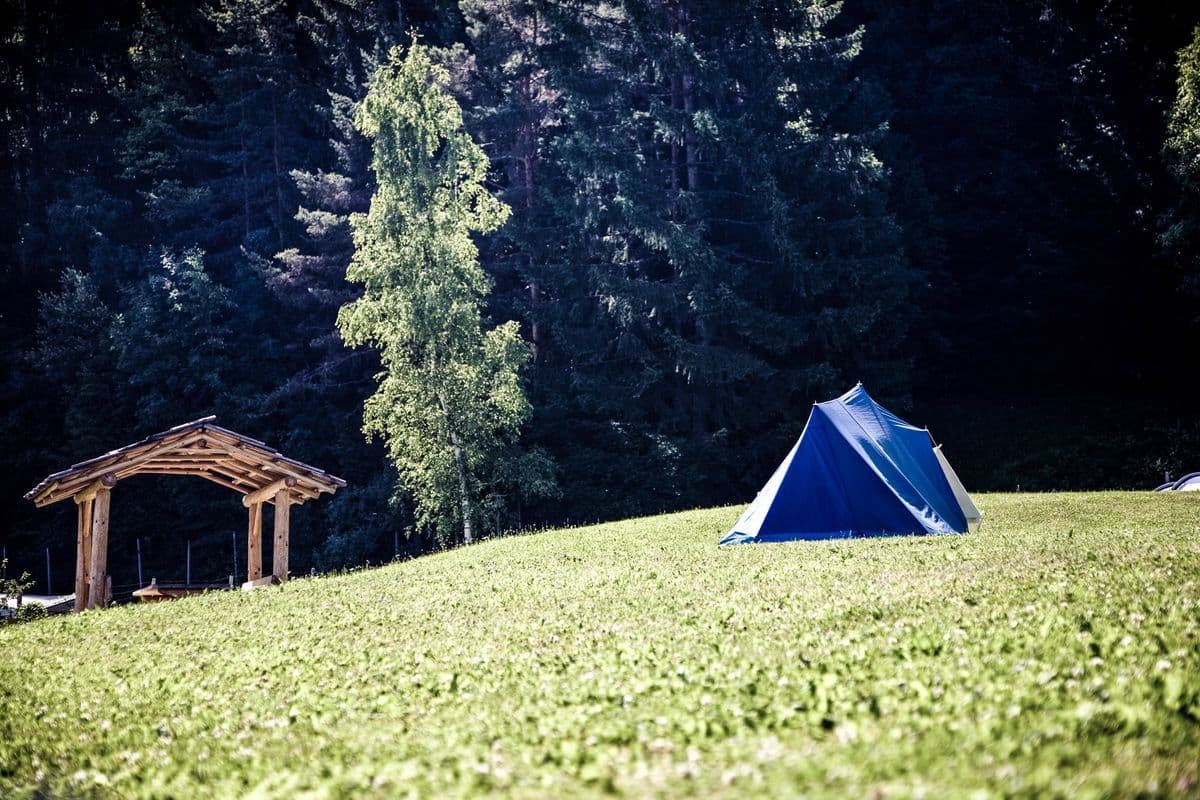
Two poles cross at the peak and clip into the corners, making a freestanding, wind-shedding shape that's easy to pitch and move. The curved walls cost a little headroom at the edges, but for all-round camping the dome is the default for a reason. Most of our 2-person tent picks are domes.
Cabin tents
Near-vertical walls and standing-room height make cabins the most livable type — room dividers, cots, the works. They're heavy, slower to pitch, and their boxy profile catches wind, so they're a car-camping, fair-weather choice. Torn between the two most common shapes? See cabin vs dome tent, or our family tent picks, many of which are cabins.
Tunnel tents
A series of arched poles forms a long, roomy tunnel with an excellent space-to-weight ratio and strong wind performance when pitched end-on to the wind. They're not freestanding, so they need careful staking and guying — but for families on long stays they're hard to beat for usable space. Many large family tents use a tunnel design.
Bell & canvas tents
A single center pole holds up breathable cotton canvas, often with a stove jack for cold weather — the glamping favorite. Airy and beautiful for long stays, but very heavy and slower to care for. Deciding between the two canvas classics? See bell tent vs yurt tent, or go straight to the best bell & yurt-style tents.
Inflatable (air-pole) tents
Air beams replace poles, so one pump raises the whole tent — a genuinely fast, fuss-free family pitch. The trade-offs are weight (plus a pump to carry) and price. See the best inflatable tents.
Backpacking & ultralight tents
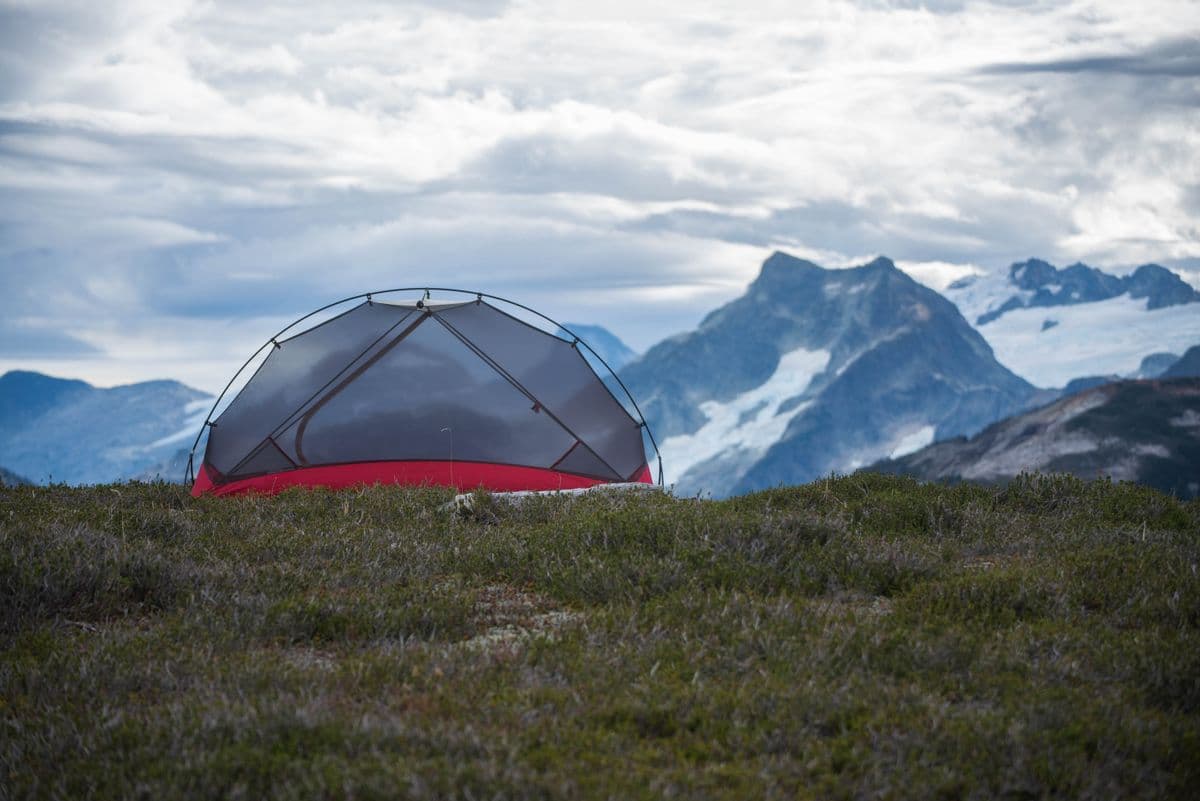
Built to minimize packed weight and size, using lightweight domes, single hoops, or trekking-pole designs. You give up interior space and a little durability to carry far less weight. If you carry your tent, start with the lightest of our 2-person picks.
How to choose between them
Work backwards from your trips: do you carry the tent or drive to it? Drivers can ignore weight and prioritize space (cabin, inflatable, bell). Backpackers trade everything for low weight. Festival and beach goers want speed (pop-up). Then match capacity, season rating, and budget — the full tent-buying guide walks through all four. Want the hard numbers? See our tent comparison of 13 popular models by weight, floor area, and peak height. Not sure a tent's even the right call? Weigh it against a hammock in tent vs hammock camping.
FAQ
What are the main types of tents?
The everyday camping types are pop-up/instant, dome, cabin, tunnel, bell/canvas, inflatable (air-pole), and backpacking/ultralight tents. They differ mainly in how they're pitched, how much weather they handle, how much living space they give, and how much they weigh.
How many types of tents are there?
Seven main types cover almost every camping tent you'll see: pop-up/instant, dome, cabin, tunnel, bell/canvas, inflatable (air-pole), and backpacking/ultralight. Nearly every model on sale is a variation on one of these, so knowing the type gets you most of the way to the right tent.
What is the most common type of tent?
The dome tent — two crossing poles make a freestanding, wind-shedding shape that pitches easily and suits most 3-season camping. It's the default all-rounder, which is why the majority of popular camping and backpacking tents are dome or dome-derived designs.
What's the difference between a dome and a cabin tent?
A dome tent has sloping, curved walls that shed wind and rain well and pitch easily — the best all-rounder. A cabin tent has near-vertical walls and standing-room height for far more usable space, but it's heavier and less stable in high wind. Domes win on weather; cabins win on living space.
Are tunnel tents better than dome tents?
It depends. Tunnel tents give more usable floor space for the weight and handle wind well when pitched end-on, which suits families and longer trips — but they're not freestanding, so they must be staked out properly. Domes are freestanding, easier to reposition, and more forgiving to pitch.
Which tent type is best for families?
For fair-weather weekends with maximum headroom and rooms, a cabin tent is hard to beat. For long stays or windier sites, a tunnel or a large dome is sturdier. Inflatable family tents add a very fast, pole-free pitch. See our family tent picks for specific models.
What's the easiest type of tent to set up?
Pop-up/instant tents are the fastest — they spring up in seconds (folding them back down is the hard part). Inflatable air tents are next: one pump raises the whole tent with no poles. Dome tents are the easiest of the traditional pole tents.
Which tent type is best for backpacking?
A backpacking or ultralight tent — built to minimize packed weight and size. Many use a single hoop, trekking poles, or a lightweight dome design. You trade interior space and a little durability for carrying far less weight.