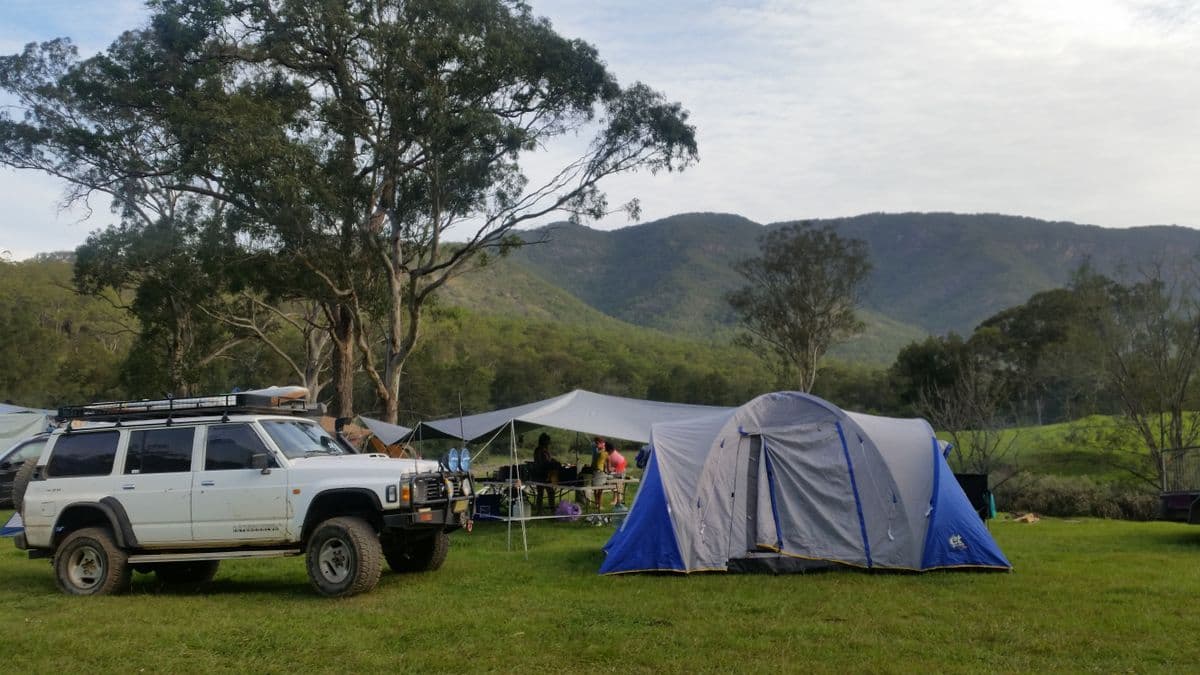
Inflatable (air-beam) tents replace poles with inflatable tubes you pump up — faster and roomier for family car camping, with beams that flex in wind instead of snapping. The trade-offs are weight, price, and the need for the pump, so they're not for backpacking. Buy a reputable brand for valve and seam quality.
What to look for
- Inflation system — fewer valves and a good pump mean faster, simpler setup.
- Beam and valve quality — this is where cheap tents fail; buy reputable.
- Waterproof rating & taped seams — fly 3,000mm+ for family weather.
- Layout — bedrooms, living space, and ceiling height for real livability.
- Weight & packed size — they're heavy; fine for the car, not the trail.
Our picks by use
| Tent | Best for | Stands out for | Price |
|---|---|---|---|
| KingCamp Inflatable | Families | Roomy, quick single-pump inflation | $$ |
| Heimplanet The Cave | Durability | Premium geodesic air-frame, wind-stable | $$$ |
| Outsunny Inflatable | Value | Affordable fair-weather air tent | $ |
A roomy multi-person air tent with quick single-pump inflation for car-camping comfort.
- Roomy
- Quick single-pump setup
- Needs a pump
- Heavy
A premium inflatable geodesic with a tough, stable air-frame that shrugs off wind.
- Tough air-frame
- Very wind-stable
- Premium price
An affordable air tent for fair-weather family camping and quick setups.
- Affordable
- Quick setup
- Fair-weather use
FAQ
Are inflatable tents durable?
Quality ones are surprisingly tough — the air beams flex in wind where poles can snap, and punctures are repairable like a bike tube. Cheap ones can leak at the valves over time, so buy a reputable brand and check seam and valve quality.
How long does an inflatable tent take to set up?
A small air tent inflates in 2–5 minutes with a decent pump; a big family model in 5–10. Pegging out and tensioning takes about the same as a pole tent — the time saving is in not threading poles.
Do inflatable tents leak or sag?
They can lose a little pressure as temperatures drop overnight; a quick top-up with the pump sorts it. Persistent sagging points to a valve or seam issue worth returning.
Inflatable tent or pole tent?
Air tents are easier and roomier for family car camping; pole tents are lighter, cheaper, and the only real choice for backpacking. Weight and budget usually decide it.
Comparing types? See how to choose a tent, compare every tent type, or browse our family tents and best 2-person tents. Chasing glamping comfort rather than pitch speed? See yurt tents.