The safest way to heat a tent is without an open flame: insulate well (a footprint, a high R-value sleeping pad, and a warm bag), then add gentle heat from a mains electric heater at a powered site, hot water bottles, or a stove-rated wood burner in a “hot tent.” The rule that matters most: never run a gas heater, camp stove, or BBQ in a sleeping tent — carbon monoxide is odorless and deadly. Always ventilate, and turn off any heater before you sleep. It's all part of setting up your tent for the conditions.
⚠️ The one rule that saves lives
Never run a gas or propane heater, camp stove, or barbecue inside a sleeping tent — not to take the chill off, and not even while it cools down. Burning fuel releases carbon monoxide (CO), an odorless gas that can kill you in your sleep. If you use any fuel-burning heat, ventilate constantly, run a CO alarm, and turn it off before bed.
Warm up without a heater first (the smartest move)
Most “cold tent” problems are really insulation problems — and the fixes carry zero risk. Before you reach for any heater:
- Put a barrier under you. A footprint plus a high R-value pad stops the ground from stealing your body heat — see what R-value you need.
- Sleep in the right bag. A bag rated for the temperature does more than any heater — our best sleeping bags guide covers ratings.
- Keep the tent dry. A damp tent feels far colder; a well-sealed fly helps — see how to waterproof a tent.
- Pitch smaller and thicker. A smaller tent warms faster, and thick canvas holds heat far better than thin nylon — one reason canvas yurt tents suit cold-weather stays.
- Warm yourself, not just the air. A hot drink before bed, dry base layers, a hat, and a hot water bottle in the bag go a long way.
What actually helps
- +A portable carbon-monoxide alarm — non-negotiable if any fuel burns near the tent. See options →
- +A high R-value sleeping pad — blocks ground chill. See options →
- +A temperature-rated sleeping bag and a hot water bottle. See options →
The safe ways to add heat
When insulation isn't enough, add heat — but match the method to your setup, and know the trade-offs:
| Method | Heat | CO risk | What it needs |
|---|---|---|---|
| Insulation + sleep system | Low–med | None | Footprint, pad, warm bag |
| Hot water bottle / heated rocks | Low | None | Heat them on a stove outside |
| Mains electric heater | Med–high | None | A powered pitch + hookup |
| Wood-burning tent stove | High | Low (flued & vented) | A stove-rated 'hot tent' + flue |
| Propane heater (ODS + tip-over) | High | HIGH | Constant airflow; off to sleep |
| Gas stove or BBQ for heat | — | DEADLY | Never — do not do this |
Electric heaters are the easiest safe option if your site has a hookup — no combustion, so no CO (just treat them as a fire/tip-over risk and don't leave them running unattended). Wood-burning stoves only belong in tents specifically built and flued for them. Propane heaters can take the edge off while you're awake and ventilating, but they're the riskiest choice and must be off before you sleep.
Carbon monoxide: the danger you can't smell
Carbon monoxide is produced any time you burn fuel — gas, propane, charcoal, wood. It's colorless and odorless, and it binds to your blood hundreds of times more readily than oxygen, so it starves you without warning. Early signs are easy to miss: headache, dizziness, nausea, and drowsiness that feels like ordinary tiredness. In a zipped-up tent it can build to dangerous levels fast. Two habits keep you safe: ventilate constantly whenever anything is burning, and run a CO alarm where you sleep.
How to warm a tent safely, step by step
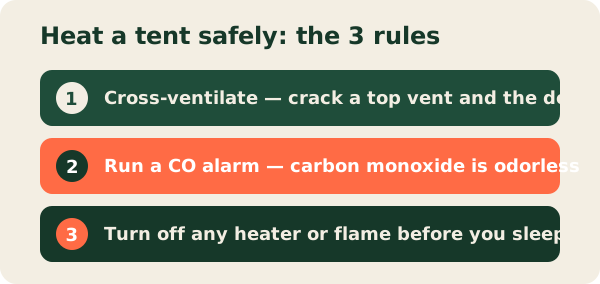
Insulate before you heat
A footprint under the tent, a high R-value sleeping pad, and a warm bag keep more heat in than any heater puts out. Start here — it's free and it's the biggest win.
Pick a safe heat source
Flameless first: a mains electric heater at a powered pitch, hot water bottles, or heated rocks. For serious cold, a stove-rated wood burner in a 'hot tent' — never a gas stove or BBQ.
Ventilate the whole time
Crack a top vent and the door so air keeps moving. A sealed tent traps carbon monoxide and condensation — both work against you.
Run a carbon-monoxide alarm
If any fuel is burning near the tent, a portable CO alarm is the only warning you'll get. CO has no smell. Put one at head height where you sleep.
Kill the flame before bed
Never sleep with a gas or propane heater, stove, or burner running — not even the 'safe' ones. Warm the tent, turn it off, then get in your bag.
“Warm the tent, then turn it off. No source of flame should ever burn while you're asleep.”
Never do these
- Run a gas stove, propane heater, or BBQ inside a zipped sleeping tent.
- Bring a “cooling” barbecue into the tent — it still gives off CO.
- Block the vents to keep heat in, or sleep with any flame burning.
- Use a heater that isn't designed and rated for tent use.
FAQ
What is the safest way to heat a tent?
Flameless heat: insulate well (footprint, high R-value pad, warm bag), then add a mains electric heater at a powered site or hot water bottles. No combustion means no carbon monoxide — by far the safest approach.
Can you use a propane heater in a tent?
Only with great caution. Choose one with an oxygen-depletion sensor (ODS) and tip-over auto-shutoff, keep the tent ventilated the whole time, and never sleep with it running. A flameless option is always safer.
How do you heat a tent without electricity?
Insulation and a warm sleep system do most of the work. Add hot water bottles or fire-heated rocks wrapped in cloth, or use a stove-rated wood burner in a hot tent. All are safer than any gas heater.
Is it safe to sleep with a heater on in a tent?
Never with a fuel-burning heater — carbon monoxide can kill you in your sleep. Even electric heaters are a fire and tip-over risk, so most campers warm the tent, then switch off before bed.
Do I need a carbon monoxide detector for camping?
Yes, if you use any fuel-burning stove, lantern, or heater near where you sleep. A small portable CO alarm is inexpensive and the only reliable warning against an odorless, deadly gas.
More cold-weather setup: how to insulate a tent for winter (do this before you heat), the best 4-season tents, 3-season vs 4-season tents, and canvas yurt tents for cold stays.