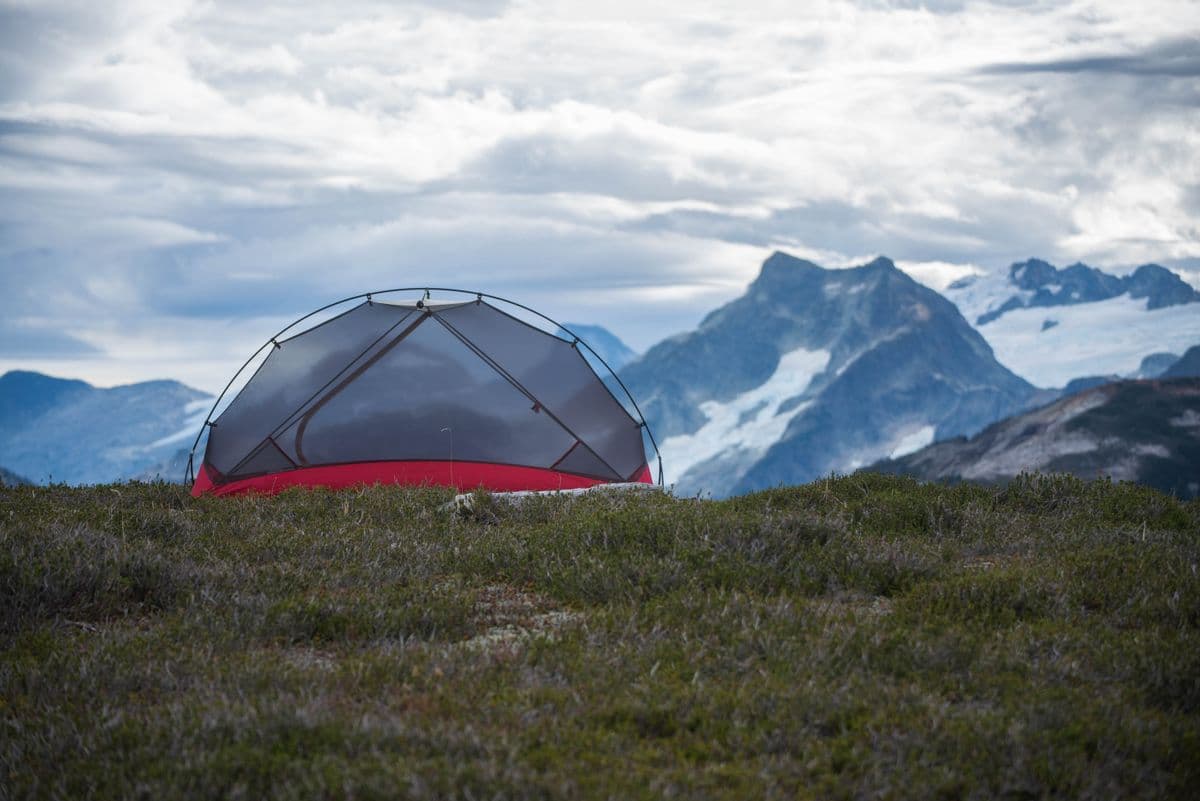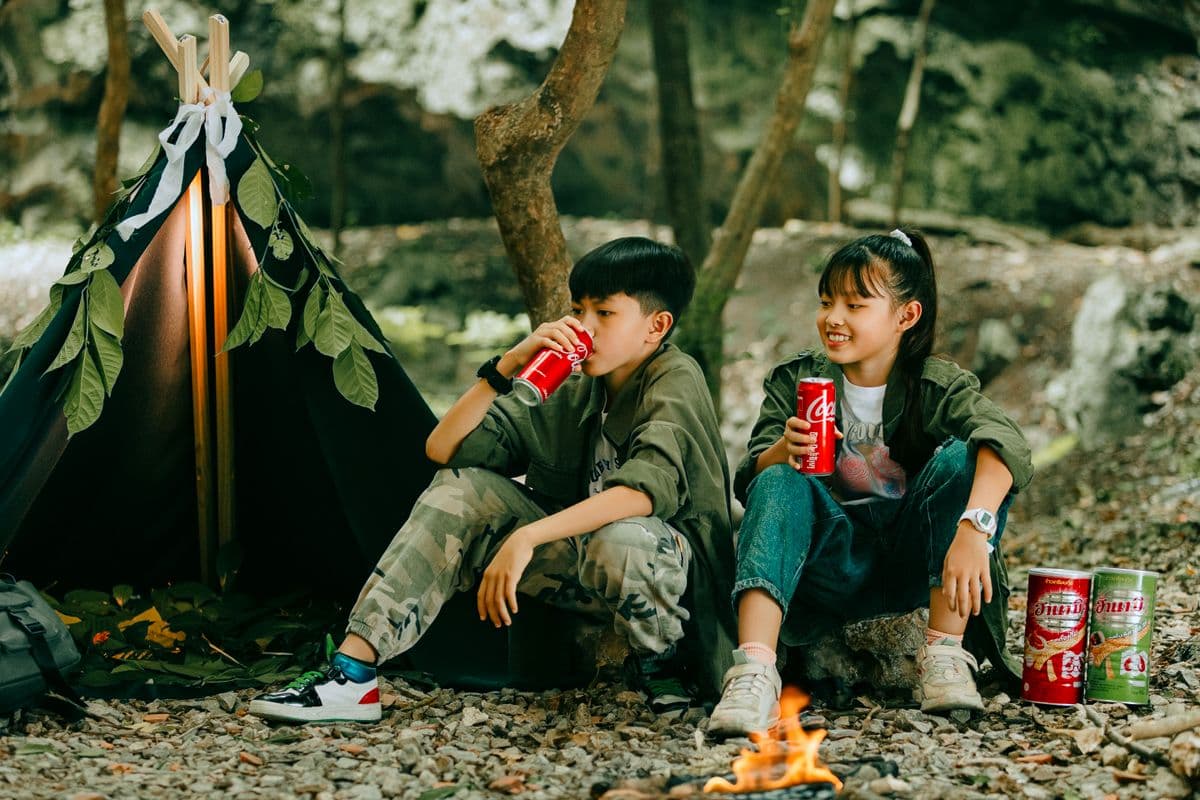
To make a simple tent: string a rope between two chairs or trees, drape a blanket or tarp over it for an A-frame, and weigh down the corners — or throw a sheet over a table for an instant fort. Use a tarp and a steep angle if it needs to shed any rain.
Looking for camp cooking, not crafts? You probably want our easy tent camping recipes — foil packets, one-pan meals, and campfire desserts.
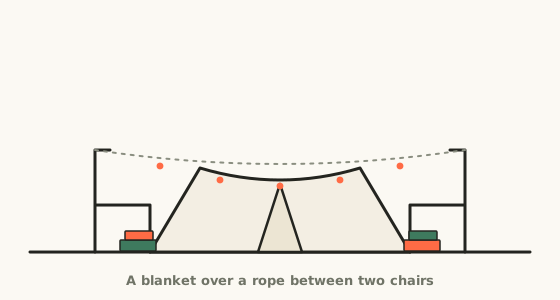
1. The no-sew blanket fort
Tie a rope or sheet taut between two chairs, drape a large blanket over it, spread the sides into an A-shape, and pin the bottom edges down with books, cushions, or laundry pegs. Add fairy lights and a couple of pillows and it's a den for the afternoon.
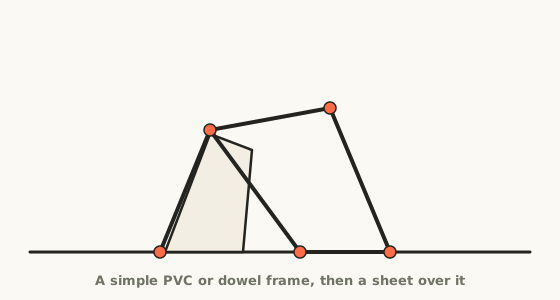
2. The PVC or dowel play tent
For something free-standing and reusable, build a simple frame from PVC pipe or wooden dowels and connectors, then drape a sheet over it. It packs down flat and goes up in seconds — a great rainy-weekend build with kids.
3. The backyard tarp A-frame
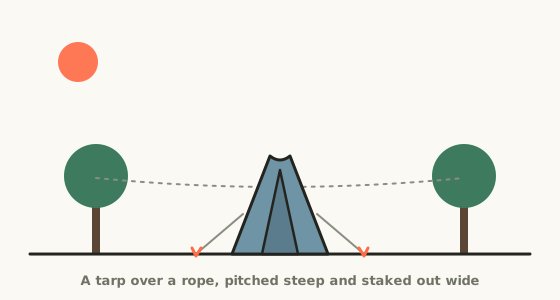
Outdoors, swap the blanket for a tarp over a rope line, stake or weigh the corners out wide, and pitch it steeply so any rain runs off. It's a fun shade shelter or a stepping stone to real camping in the yard.
How to draw a tent, step by step
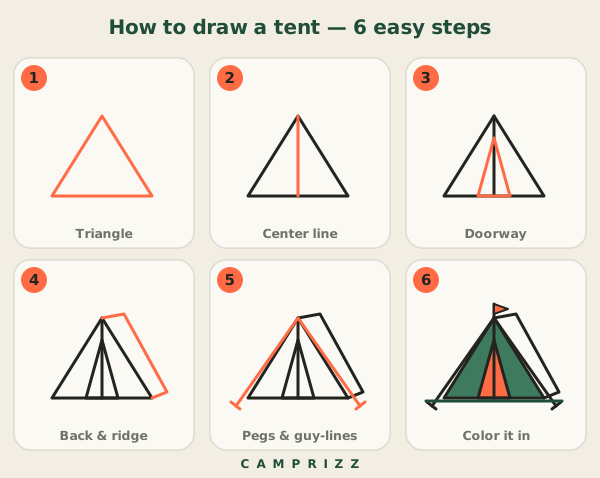
To draw a tent, start with a wide triangle for the body, add a straight line down the middle, and draw a curved doorway at the front. Add a peg and a guy-line on each side, a ground line, and a little flag on top — then outline your best lines and color it in.
No special supplies — just a pencil, an eraser, a sheet of paper, and something to color with. Press lightly at first so you can tidy the lines before you go over them in pen.
Start with a big triangle
Draw a wide triangle for the tent body — a point at the top and a flat base. Press lightly with your pencil so you can tidy the lines later.
Add the center seam
Draw a straight line from the top point down to the base. This is the front edge of the tent and keeps both sides looking even.
Draw the doorway
From the top point, draw two curved lines down to the base to make an open door — like a curved, upside-down V. Add a folded-back flap on one side if you like.
Give it a 3-D back
Draw a second, smaller triangle peeking out behind the first and slightly to one side, then join the two peaks with a short ridge line — now it looks like a real tent, not a flat shape.
Stake it down
Add a short line and a little peg at each bottom corner, plus a guy-line running from the peak down to a peg on each side. This makes the tent look pitched instead of floating.
Add ground, details and color
Draw a ground line under the tent, pop a small flag on the peak, then go over your best lines in pen. Color it in and add grass, a campfire, or a starry sky to finish the scene.
Want to make a real one next? Here's our pick of family tents for actual backyard and campground nights.
Doing the real thing soon? When the backyard adventure turns into an actual trip, here's how to choose a proper tent and our favorite quick-pitch pop-ups for families.
FAQ
How do I make a tent without poles?
Use what you have: drape a blanket over a rope strung between two chairs or trees for an A-frame, or over a table for an instant fort. A broomstick, dowels, or PVC pipe stand in for poles if you want a free-standing shape.
What's the easiest no-sew kids' tent?
A blanket fort: tie or clip a sheet over a taut rope between two chairs, spread the sides out, and weigh the corners with books or cushions. No tools, five minutes, endlessly re-buildable.
How do I make a backyard tent waterproof?
Use a tarp instead of a blanket for the outer layer and pitch it at a steep angle so rain runs off. For anything beyond a sun-shade afternoon, a real tent is far drier and safer.
How do you draw a tent easy?
Draw a wide triangle for the body, a straight line down the middle, and a curved doorway at the front. Add a small peg and a guy-line on each side, a ground line under it, and a flag on top. Go over your best lines and color it in.
How do you draw a teepee tent?
A teepee is even simpler: draw a tall, narrow triangle, then add a few straight poles poking out of the top. Draw a curved door near the bottom, add zig-zag or striped patterns across the sides, and color it in.