If your tent is wet inside but it didn't rain, that's condensation, not a leak. Warm, moist air — mostly your breath, around a liter of water a night — hits the cold inner face of the fly and turns back to water. You can't stop it completely, but you cut it dramatically by ventilating (open vents and a door), pitching away from water on higher ground, keeping wet gear and cooking out of the tent, and pitching the fly taut. It's a normal part of how a tent works — not a fault.
Condensation vs a leak: how to tell
Before you blame the tent, work out which problem you actually have — the fixes are completely different:
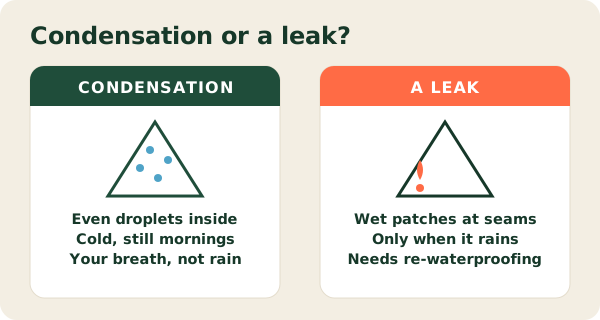
Even dampness on a dry night is condensation. Wet patches at the seams or floor during rain mean the tent needs resealing — see how to waterproof a tent.
Why tents get wet inside
It's basic physics. You and everything in the tent give off water vapor — breathing alone releases roughly a liter overnight, plus damp clothes, wet boots, and steam from cooking. That warm, humid air rises and meets the fly, which is cold because the night air outside is cold. When warm moist air touches a cold surface it hits its dew point and condenses into droplets — the same reason a cold drink “sweats” on a warm day. Camp near a lake or in a humid, still hollow and it's worse; single-wall tents and sealed-up tents are worst of all.
How to stop (reduce) tent condensation
You can't beat physics, but these five habits cut condensation to a minor annoyance:
Ventilate aggressively
Open every vent and crack a door — even when it's cold. The inside air is more humid than outside, so you want to keep swapping it. This is the single biggest fix.
Pitch in the right spot
Choose higher, drier ground and pitch away from lakes, rivers, and boggy hollows where humidity pools. A spot under trees often stays warmer and dews up less.
Keep moisture out of the tent
Wet boots, jackets, and the dog belong in the vestibule, not inside. Cook and boil water outside — steam is just more water in the air.
Pitch the fly taut
Guy it out so the outer fly is tight and not touching the inner tent. Taut fabric lets drips run down and off instead of pooling and dripping on you.
Wipe it down and dry out
A quick swipe with a pack towel at dawn keeps the worst off you, then air the tent during the day so you're not packing it damp.
A footprint helps too, by blocking damp rising from the ground — see what a tent footprint does. And if you're warming the tent, do it safely and keep it vented — a sealed, heated tent condenses fast (more in how to heat a tent).
What actually helps
- +A quick-dry pack towel — to wipe the fly down at dawn. See options →
- +A groundsheet or footprint — blocks ground moisture. See options →
Single-wall vs double-wall tents
A double-wall tent (breathable inner + separate fly) manages condensation best: the mesh inner keeps you off the wet fly and lets vapor pass, so drips form on the outside layer, not on you. A single-wall tent is lighter and packs smaller, but the one surface is both your wall and the cold outer face — so it needs aggressive ventilation to stay livable. If you camp a lot in cold, damp conditions, double-wall is the easier life.
FAQ
Why is the inside of my rain fly wet?
That's condensation, not a leak. Warm, moist air inside the tent — mostly your breath — rises and meets the cold underside of the rainfly, cools past its dew point, and turns to water. It's completely normal and worst on cold, still nights. Cut it right down by ventilating (crack a vent and the door), pitching the fly taut, and keeping wet gear and cooking outside the tent.
Is water inside my tent condensation or a leak?
If it didn't rain, or the damp is spread as even droplets on the inside of the fly and worst on a cold, still morning, it's condensation. A leak shows up only in rain, as wet patches at the seams or floor — that's a waterproofing problem, not condensation.
How do I stop my tent sweating?
You can't eliminate it, but you can cut it a lot: ventilate fully (vents and a door open), pitch on higher, drier ground away from water, keep wet gear and cooking out of the tent, and pitch the fly taut. Wipe down any that forms overnight.
Why is my sleeping bag wet in the morning?
Usually condensation dripping from the fly or wicking off the inner wall, not a leak. Keep your bag off the tent walls, ventilate, and use a groundsheet or footprint to block moisture rising from the ground.
Do double-wall tents get less condensation?
They manage it better. The breathable inner keeps you off the wet fly and lets some vapor pass through, so drips form on the fly instead of on you. Single-wall tents are lighter but need much more aggressive ventilation.
Should I wipe condensation off my tent?
Yes — a quick wipe with an absorbent cloth or pack towel stops droplets falling on your gear, and airing the tent out during the day means you pack it dry rather than mouldy.
Related: how to waterproof a tent, how to pitch it taut, and how to choose a tent.