Insulate a tent by stopping heat escaping, in priority order: (1) insulate the ground — a footprint plus a high R-value sleeping pad blocks the biggest heat loss; (2) shrink the air you have to warm by pitching smaller or closing off a room; (3) seal drafts by pitching the fly to the ground; (4) reflect heat back with an emergency blanket under your pad; and (5) keep one vent cracked so trapped moisture escapes. Do the ground first — it makes the biggest difference. This is step one of cold-weather camping; once you're insulated, see how to add heat safely, or how to choose a tent.
Where a tent loses heat
Insulating is easier once you know what you're fighting. A tent loses warmth three ways, and they're not equal:
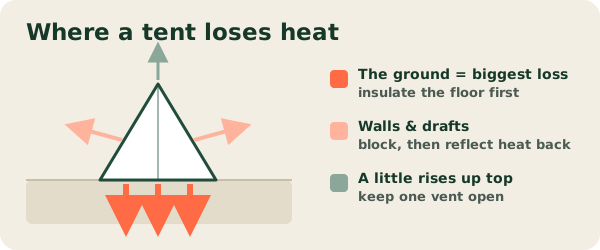
- Down into the ground (the biggest loss). The cold earth pulls heat straight out of you by conduction, and your body crushes flat the insulation in your sleeping bag exactly where you lie on it. This is why a cold night is almost always a ground problem.
- Out through the walls and drafts. Thin nylon does little to slow heat, and any gap at the base lets cold air pour in and warm air leak out.
- Up and out the top. Warm air rises and some escapes through vents — but you want a little of this, to carry away the moisture from your breath.
How to insulate a tent, step by step
Insulate the ground first
This is where most of your heat vanishes — straight down into cold earth. Lay a footprint, then a high R-value sleeping pad; for real cold, stack a closed-cell foam pad under an inflatable one. Rugs, blankets, or foam mats over the tent floor add another layer. Do this and nothing else, and you'll already be far warmer.
Shrink the air you have to warm
A smaller volume of air warms faster and holds heat better. Pitch the smallest tent that fits you, close off an inner room if you have one, or hang a blanket across the tent to make a snug sleeping pocket. Less empty space above you means less cold air pressing down.
Seal the drafts
Pitch the fly all the way to the ground and stake it taut so wind can't get under it. Close any vents you don't need for airflow, tuck the groundsheet up the walls to stop drafts at the seam, and bank snow or a draft skirt around the base to block wind at ground level.
Reflect heat back inside
A reflective emergency blanket under your sleeping pad (shiny side up) bounces body heat back at you; foil-backed foam mats against the walls do the same. A tarp pitched over the fly with a small gap creates an insulating pocket of dead air — cheap, and it helps.
Keep one vent cracked
Insulation traps moisture as well as heat, and a damp tent feels far colder. Leave one high vent slightly open so the water vapor from your breath escapes instead of soaking your bag and walls. A little airflow keeps you warmer, not colder.
What actually helps
- +A high R-value sleeping pad — the single biggest upgrade; blocks ground chill. See options →
- +A closed-cell foam pad to stack underneath for deep cold. See options →
- +A footprint / groundsheet under the tent. See options →
- +Reflective emergency blankets to bounce heat back. See options →
“A cold night is almost never about the air temperature — it's about what's between you and the ground.”
Don't seal it completely: condensation
It's tempting to zip everything shut and block every vent, but a fully sealed tent traps the water vapor you breathe out — and it condenses into damp on the walls, your bag, and your gear. A wet insulation layer barely insulates, so you end up colder. Always leave one high vent slightly open; the tiny bit of heat you lose is worth staying dry. More on this in why the inside of your tent gets wet.
Insulate first, then heat
Insulation keeps in the warmth your body already makes — for free, and with zero risk. A heater only makes sense after you've done the insulation, and it carries real fire and carbon-monoxide dangers. So get the ground, drafts, and reflective layers sorted first; then, if you still need more, read how to heat a tent safely. And if you camp in cold a lot, the tent itself matters — compare 3-season vs 4-season tents, see the best 4-season tents, or a canvas yurt tent for cold stays.
FAQ
How do you insulate a tent for winter camping?
Work in priority order: insulate the ground first with a footprint and a high R-value sleeping pad (the biggest heat loss is downward), then shrink the air space you have to warm, seal drafts by pitching the fly to the ground, add a reflective layer to bounce heat back, and keep one vent cracked so trapped moisture can escape. Ground insulation alone makes the biggest difference.
What can I put under my tent for insulation?
Under the tent, a groundsheet or footprint blocks moisture and some cold. The bigger win is under you: a high R-value sleeping pad, or a closed-cell foam pad stacked beneath an inflatable pad for cold nights. Inside, add rugs, blankets, or interlocking foam floor mats over the tent floor for extra warmth underfoot.
Do emergency (reflective) blankets work in a tent?
Yes, when used right. A Mylar reflective blanket placed shiny-side toward you — under your sleeping pad, or against a wall — reflects radiant body heat back instead of letting it escape. It won't heat the tent by itself, but as one layer in a full insulation setup it genuinely helps, and it's very cheap and light.
How do I stop cold coming up from the ground?
Ground conduction is the number-one cause of a cold night, because you crush the insulation in your sleeping bag where you lie on it. Beat it with a high R-value sleeping pad (or two pads stacked), a footprint underneath, and blankets or foam mats over the floor. What's between you and the ground matters more than the air temperature.
Is insulating a tent worth it?
For cold-weather camping, absolutely — and it's mostly free or cheap. Proper insulation keeps in the heat your body already makes, so you sleep warmer without relying on a heater (which carries fire and carbon-monoxide risks). Insulate first; only add heat if you still need it.
Should I insulate the walls of my tent?
Walls lose less heat than the ground, so insulate the floor first. That said, hanging blankets or foil-backed mats on the walls, or pitching a tarp over the fly with a small air gap, cuts drafts and radiant loss and can make a noticeable difference on a bitter night. Never fully seal the tent, though — you need one vent open for condensation.
More cold-weather setup: how to heat a tent safely, 3-season vs 4-season tents, what a tent footprint does, and how to choose a tent.