Drone laws vary widely by country — there's no universal standard. Before any trip, check the destination's official aviation authority for six things: whether drones are allowed, whether you need to register or get a permit, weight thresholds, no-fly zones, altitude and line-of-sight limits, and privacy rules. Flying without checking risks fines or confiscation, so when in doubt, don't fly.
The hard part of drone laws isn't any single rule — it's that every country writes its own, and they range from “fly freely” to “permit required” to “banned, expect a fine.” A flight that's perfectly legal at home can be illegal at your destination. This explainer covers what to check and where; for the practical side of getting the drone there, see how to travel with a drone.
What to check before you fly
Run through these six before every trip — all confirmable on the country's official aviation authority site.
| Check before you fly | Why it matters |
|---|---|
| Is the drone allowed at all? | Some countries ban or heavily restrict drones outright |
| Registration / permit needed? | Many require it before you arrive or fly |
| Weight thresholds | Rules often change above ~250g |
| No-fly zones | Airports, cities, parks, borders, heritage sites |
| Line-of-sight & altitude limits | Most places cap height and require you keep it in view |
| Privacy & filming rules | Filming people or property can be restricted |
Where to find the rules that actually apply
Go straight to the source — the country's civil aviation authority. A few you'll meet often:
- United States — the FAA (registration, recreational rules, B4UFLY app).
- European Union — EASA, with one framework across member states.
- United Kingdom — the CAA.
- Australia — CASA.
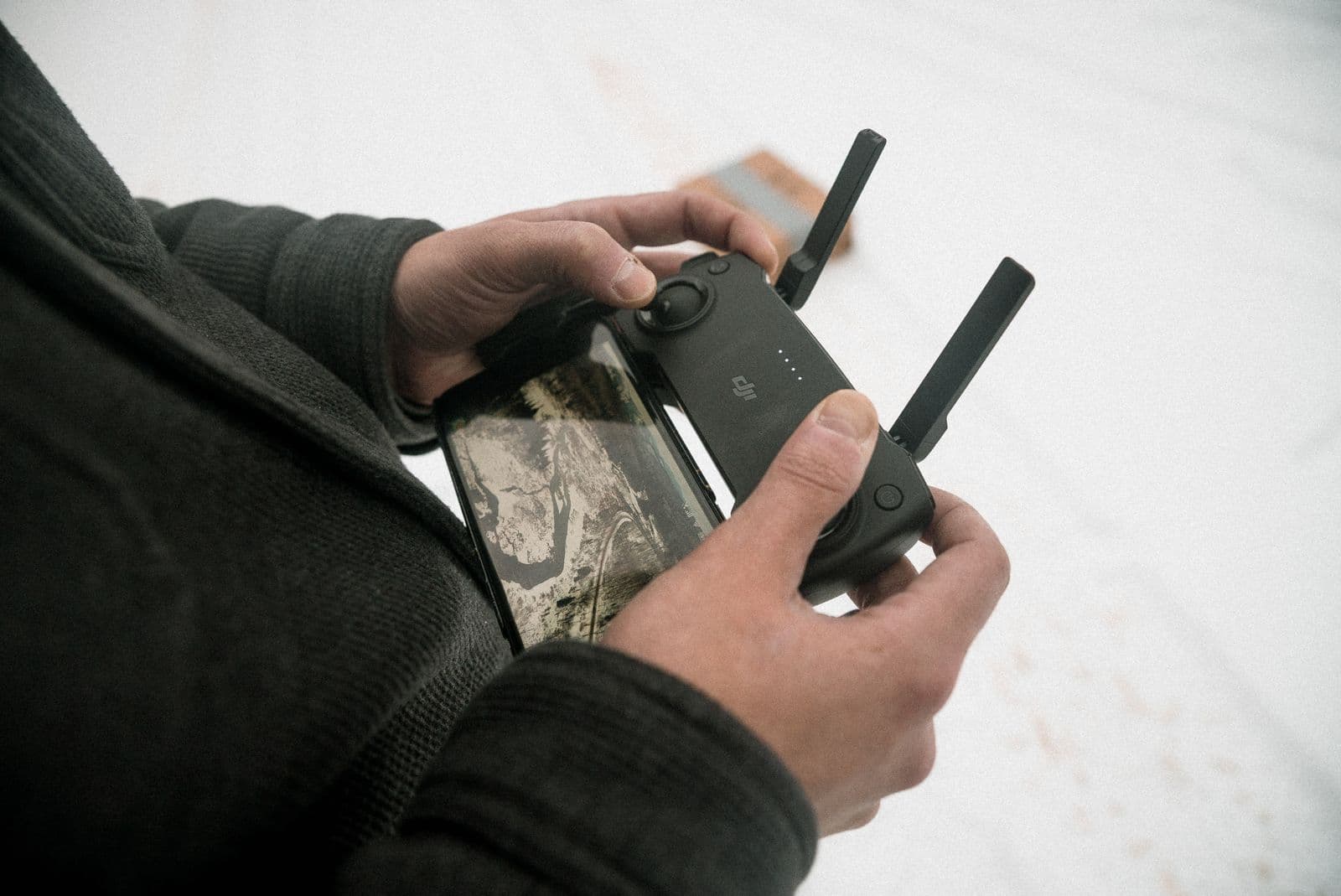
Manufacturer apps (like DJI's) flag many no-fly zones through geofencing, which is a helpful sanity check — but it shows the manufacturer's map, not the law. The authority's website is the rule.
Not legal advice: this is a general, research-driven overview. Drone laws change frequently and differ by country and even region — always confirm the current rules with the official aviation authority before you fly. See how we choose.
The golden rule
If you can't confirm a flight is legal where you're standing, don't fly. The downside — fines, a confiscated drone, or worse — far outweighs one aerial shot, and reckless tourist flights are exactly why more places keep tightening the rules. Wondering whether you also need a license? See do you need a license to fly a drone.
FAQ
Do drone laws differ by country?
Yes — enormously. There's no global standard: some countries welcome drones with clear, simple rules, others require permits or registration before you arrive, and some ban them entirely or confiscate them at the border. Always check the destination's official aviation authority before you travel, rather than relying on forums or older blog posts.
What should I check before flying a drone abroad?
Six things: whether drones are allowed at all, whether you need to register or get a permit, the weight thresholds that change the rules, where the no-fly zones are (airports, cities, parks, borders), the altitude and line-of-sight limits, and any privacy or filming restrictions. Confirm each on the country's official aviation authority site.
Where do I find the real drone rules for a country?
Go straight to that country's civil aviation authority website — for example the FAA in the US, EASA across the EU, the CAA in the UK, or CASA in Australia. These are the authoritative sources. Manufacturer apps like DJI's also flag no-fly zones, but they don't replace the official rules.
What happens if you break drone laws while traveling?
Consequences range from a warning to fines, confiscation of the drone, or in strict jurisdictions, detention. Flying near airports, government sites, or crowds is treated especially seriously. Because penalties and enforcement vary so much, the safe approach is simple: if you can't confirm a flight is legal, don't fly.
Are there places you can never fly a drone?
Common no-fly areas almost everywhere include near airports and aircraft, over crowds and stadiums, near government and military sites, at many national parks and heritage sites, and across borders. Some entire countries prohibit tourist drone use. Always check local no-fly zones — a manufacturer's geofencing helps but isn't the law.