It depends on where and why you fly. In the US you don't need a pilot license to fly recreationally, but you must pass the free TRUST test and register most drones; flying for work or pay requires the FAA Part 107 certificate. Drones under 250g skip registration for recreation but still need TRUST. Other countries set their own rules — always check the local aviation authority.
“License” is a slightly misleading word for drones. In the US there's no single license — there's a free safety test for hobbyists (TRUST) and a certificate for commercial pilots (Part 107), and which you need comes down to why you're flying. Here's the breakdown, plus what changes for small drones and abroad.
Recreational vs commercial, side by side
The split that decides everything (US rules shown):
| Recreational (US) | Commercial / for work (US) | |
|---|---|---|
| Full pilot license? | No | Yes — Part 107 certificate |
| What you must do | Pass the free TRUST test | Pass the Part 107 knowledge exam |
| Minimum age | None to take TRUST | 16+ |
| Register the drone? | Yes, if over 250g | Yes, every drone |
| Carry proof when flying? | Yes (TRUST certificate) | Yes (Part 107 certificate) |
| Covers paid work? | No | Yes |
Flying for fun: the TRUST test
If you're flying purely for recreation, you don't need a pilot certificate — but you do need to pass TRUST (The Recreational UAS Safety Test), which is free, online, and quick. You carry proof of completion when you fly, follow the recreational rules (keep it in sight, away from airports and crowds), and register the drone if it's over 250g. That's it.
Flying for work: Part 107
The moment a drone flight is for work or compensation — photography you sell, real-estate footage, inspections — you need the FAA Part 107 remote pilot certificate. That means being at least 16, passing an in-person aeronautical knowledge exam, and keeping up recurrent training. It's a real qualification, and it's what people usually mean by a “drone license.”
The 250g rule
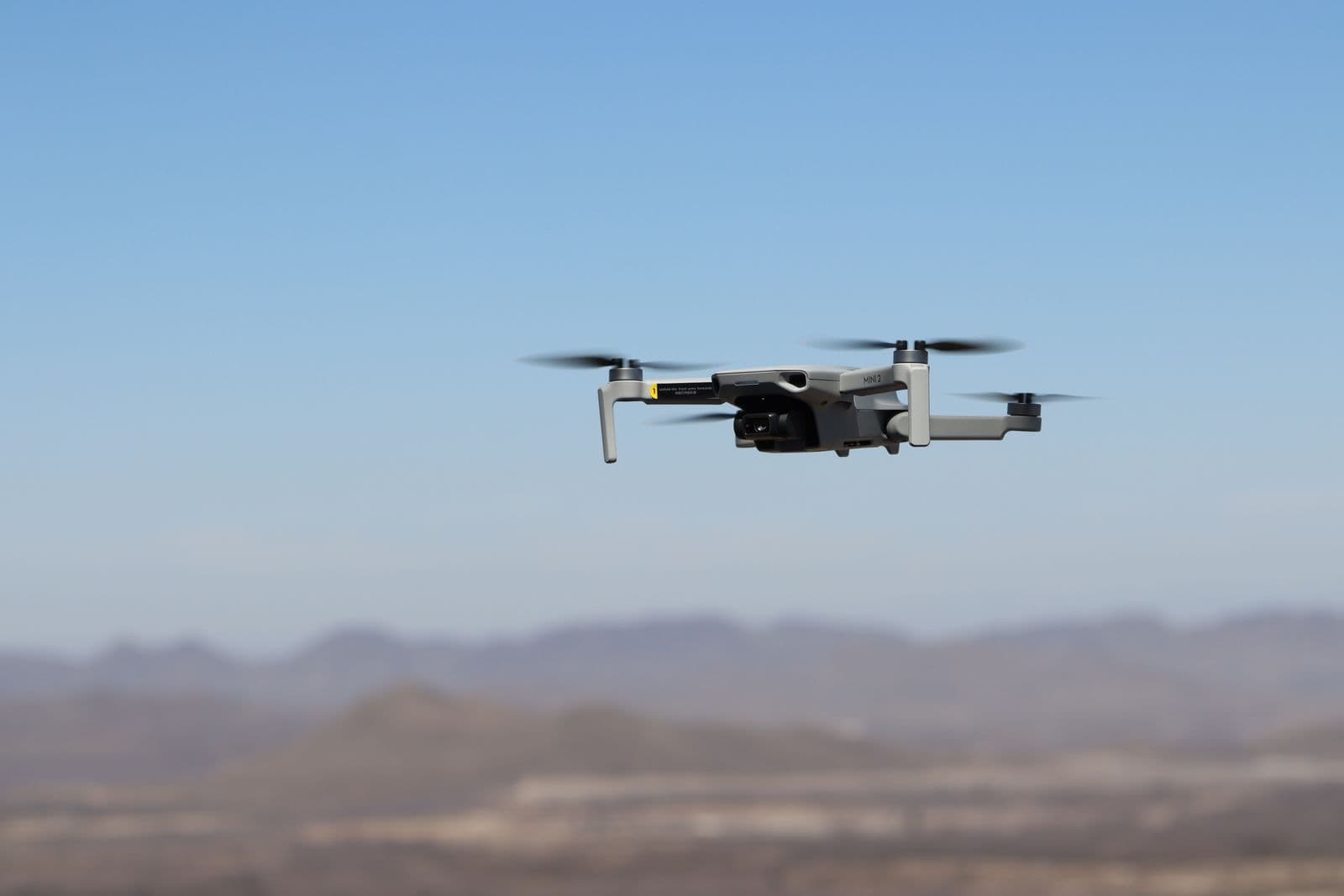
Weight matters: in the US, drones under 250 grams flown recreationally are exempt from registration — which is exactly why so many travel drones are built to sit just under that line. But under-250g doesn't mean rule-free: you still need TRUST for recreational flying, and if you fly that little drone commercially, you still need Part 107.
Not legal advice: this is a general, research-driven overview focused on US rules. Requirements change and other countries differ — always confirm with the official aviation authority (the FAA in the US) before you fly. See how we choose.
Traveling abroad
A US TRUST or Part 107 credential doesn't automatically carry over — the EU, UK, Australia and others run their own registration and competency systems, often tied to drone weight. Before you fly in another country, check its aviation authority and our drone laws for travelers, then get the drone there safely with how to travel with a drone.
FAQ
Do you need a license to fly a drone?
It depends where you are and why you're flying. In the US, recreational flyers don't need a pilot license but must pass the free TRUST safety test and register most drones. Flying for work or pay requires the FAA Part 107 remote pilot certificate. Other countries set their own licensing rules, so always check the local aviation authority.
What is the TRUST test?
TRUST — The Recreational UAS Safety Test — is a free online test all recreational drone flyers in the US must pass before flying. It covers basic safety rules, takes a short time, and can't be failed in a costly way (you review any missed questions until you get them right). You must carry proof of completion whenever you fly recreationally.
What is FAA Part 107?
Part 107 is the FAA's framework for commercial drone use — flying for any kind of work or compensation, like photography, real estate, or inspections. To get the remote pilot certificate you must be at least 16, pass an in-person aeronautical knowledge exam, and keep up recurrent training. It's the closest thing to a 'drone license' in the US.
Do you need a license for a drone under 250g?
In the US, sub-250g drones flown recreationally are exempt from registration, but you still must pass the TRUST test and follow the recreational rules — light weight doesn't make you exempt from the safety requirements. If you fly that same small drone commercially, you still need Part 107. Other countries often use the 250g line too, but with their own conditions.
Do you need a drone license in other countries?
Often, yes, and the rules vary a lot. The EU (under EASA), the UK (CAA), Australia (CASA), and many others have their own registration and competency requirements, sometimes tied to drone weight or category. A US TRUST or Part 107 credential doesn't automatically transfer — check the destination's aviation authority before you fly there.
Can you fly a drone without registering it?
Only in narrow cases. In the US you may fly an under-250g drone recreationally without registering it, but you still need the TRUST certificate. Any drone over 250g, and every drone flown commercially, must be registered with the FAA. Flying an unregistered drone that requires registration can bring fines.