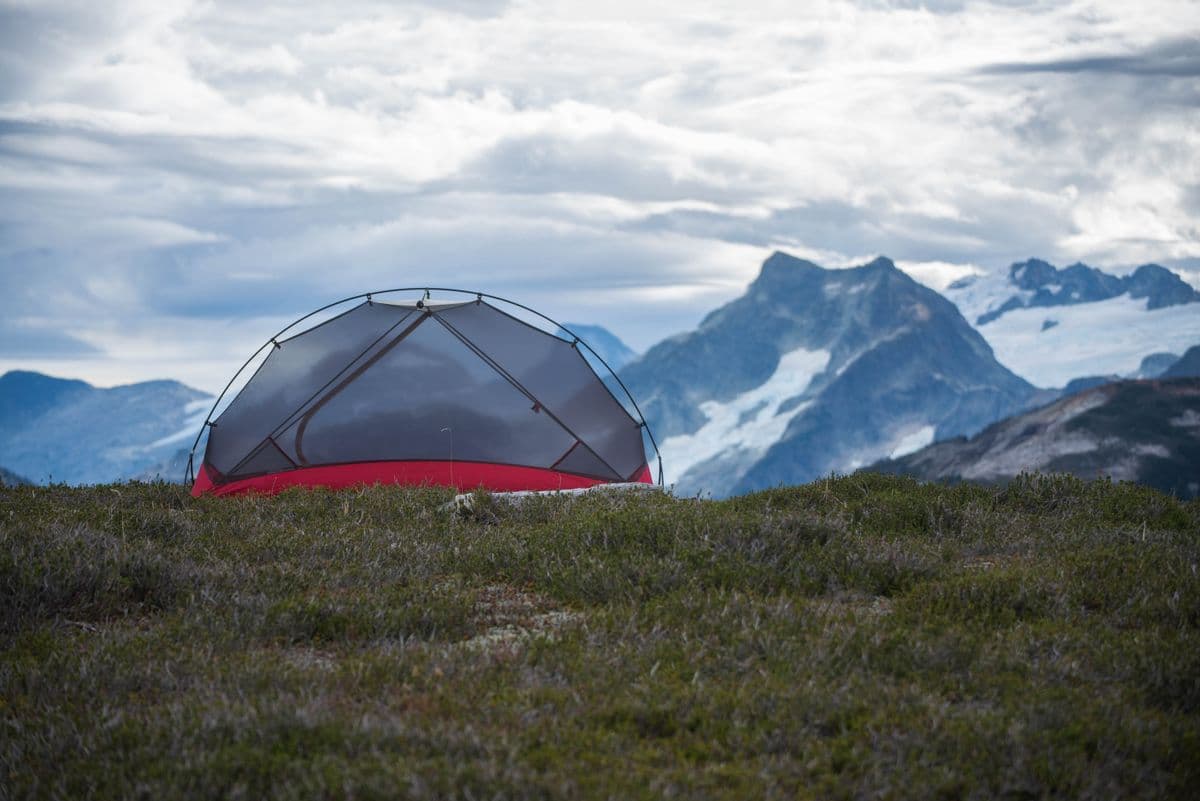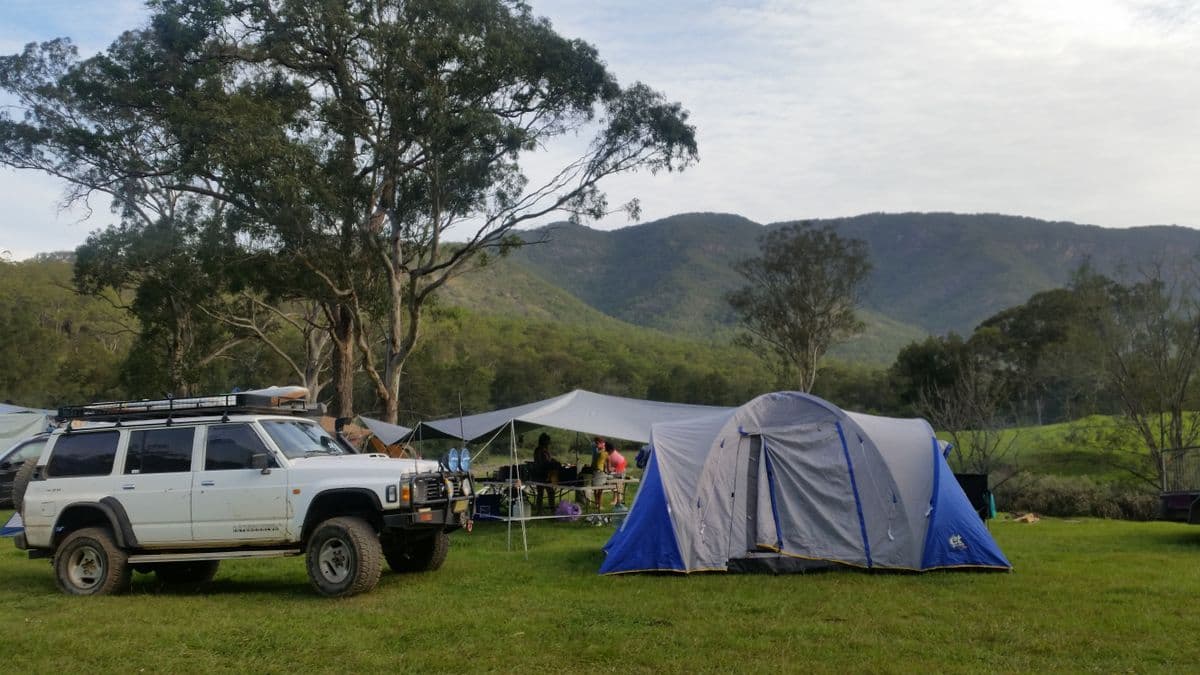
Choose a cabin tent for space — near-vertical walls give full standing height across the whole floor, plus room for cots and dividers, ideal for families car camping in fair weather. Choose a dome tent for weather and portability — its curved, crossing-pole shape sheds wind, pitches fast, packs smaller, and stays stable when a cabin would flap. Cabins win livable space; domes win stability and ease. It's one of the first calls when you compare tent types, or see how to choose a tent.
Cabin vs dome at a glance
| Factor | Cabin tent | Dome tent |
|---|---|---|
| Walls / shape | Near-vertical walls, boxy | Curved, crossing poles |
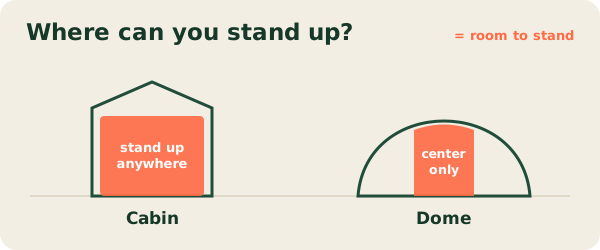
| Standing room | Full height across the floor | Center only |
| Usable space | More — fits cots, room dividers | Less — walls slope in |
| Weather / wind | Fair weather (catches wind) | Sheds wind, more stable |
| Weight & packed size | Heavy, bulky | Lighter, compact |
| Pitch | Slower, more poles | Fast, freestanding |
| Price | $–$$ | $–$$ |
| Best for | Families, car camping, base camp | All-round use, wind, small crews |
The core difference: wall shape
Everything else follows from the poles. A cabin tent uses near-vertical wall poles to hold the sides upright, so the roof stays high right out to the edges — you get a boxy room you can stand and move around in. A dome tent arches two or more poles over the top in a curve; that curve is brilliant at shedding wind and staying freestanding, but it means the walls slope inward and headroom drops away from the center. Space versus stability, decided by geometry.
Cabin tents
The family favorite. A cabin's straight walls turn a tent into a livable room: full standing height, space for camp cots and furniture, and often a removable divider to split kids from adults. That comfort is the whole point — and the whole trade-off, because those tall flat walls catch wind and the extra structure means more weight and a slower pitch. It's a car-camping, fair-weather tent, not a storm shelter.
- Stand up across the whole floor
- Most usable space; room dividers
- Great for families and long stays
- Catches wind — fair-weather only
- Heavy and bulky to carry
- Slower to pitch
Best for: families and car campers who want room to live. See our family tent picks (4–6 person) and best 4-person tents — many are cabins.
Dome tents
The dependable all-rounder. Two crossing poles make a freestanding, wind-shedding shape that pitches in minutes, packs small, and stays solid when the weather turns — which is why domes span everything from budget family tents to lightweight backpacking models. You give up headroom at the edges and some floor livability, but you gain stability, portability, and an easier life. For most people camping in mixed conditions, the dome is the safe default.
- Sheds wind; freestanding and stable
- Lighter and packs smaller
- Fast, easy pitch
- Headroom only in the center
- Less usable floor space
- Cramped for a whole family long-term
Best for: all-round camping, windy sites, and smaller crews. Most of our 2-person picks are domes; new to shapes? Compare pop-up vs regular tents too.
How we compare: these are the consistent, published characteristics of each shape and the patterns across many owner reviews — not lab testing. See how we choose.
So, which should you choose?
Family car camping, fair weather, want room to stand and spread out? A cabin — the space is unbeatable. Camp in mixed or windy weather, carry your tent, or camp with one or two people? A dome — the stability and portability win. Still weighing shapes overall? Compare every tent type side by side before you pick a model.
FAQ
What's the difference between a cabin and a dome tent?
A cabin tent has near-vertical walls and a flat-ish roof, so you get full standing height across almost the whole floor. A dome tent uses two or more curved poles that cross at the top, giving a rounded shape that sheds wind well but slopes in at the edges — so you only stand up in the center. Cabins trade weather-worthiness for living space; domes do the reverse.
Which is better for families, a cabin or dome tent?
A cabin tent, usually. The vertical walls give the standing room, usable floor space, and room dividers that make multi-night family camping comfortable — you can change clothes, seat kids separately, and wait out a rainy afternoon without crouching. The catch is that cabins suit fair weather; if your trips get windy, a large dome is the sturdier family choice.
Are dome tents better in wind?
Yes. A dome's curved shape lets wind flow over and around it, and its crossing poles brace it from multiple directions, so it stays put where a tall, flat-walled cabin catches the wind like a sail and flexes or flaps. For exposed or windy sites, a dome is the safer, quieter night.
Are cabin tents good in rain?
In light rain, yes — a good cabin has a full rainfly and sealed seams. But their large flat roof panels and vertical walls shed heavy rain and wind less well than a dome, and can pool water or flex in a storm. Treat a cabin as a fair-weather, mild-rain tent; for serious weather, a dome (or a proper 4-season tent) is better.
Which is easier to set up, a cabin or a dome tent?
A dome, generally. Most domes are freestanding with just two crossing poles, so they pitch fast and are easy to reposition. Cabins have more poles and structure and take longer — though many modern cabins use pre-attached, near-instant pole systems to close the gap.
Is a cabin tent worth it?
If you car camp with a family and value living space over weather-proofing, absolutely — nothing beats standing up and spreading out. If you camp in variable weather, backpack, or camp with just one or two people, a dome gives you stability and portability that a cabin can't, usually for less weight and money.