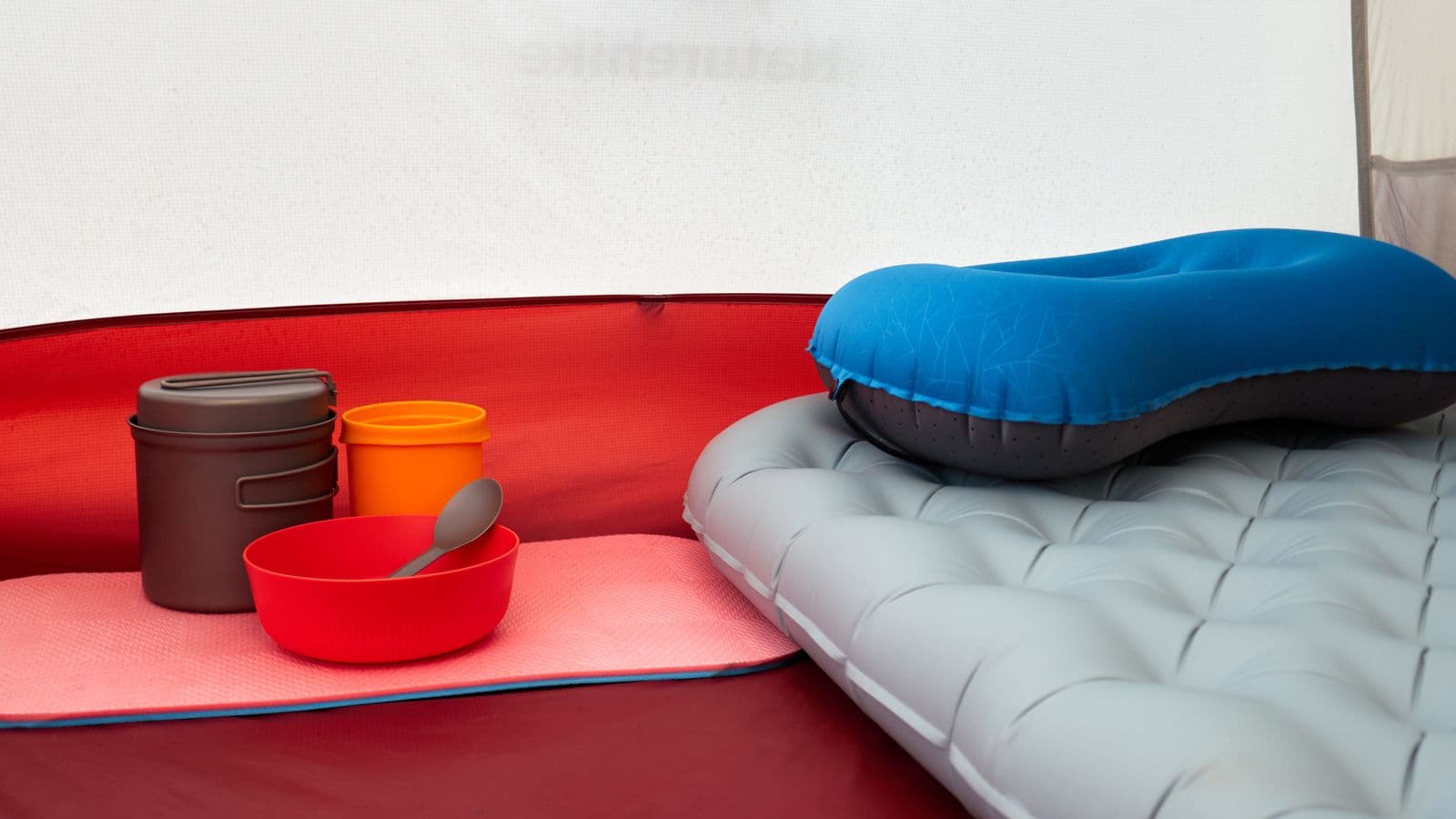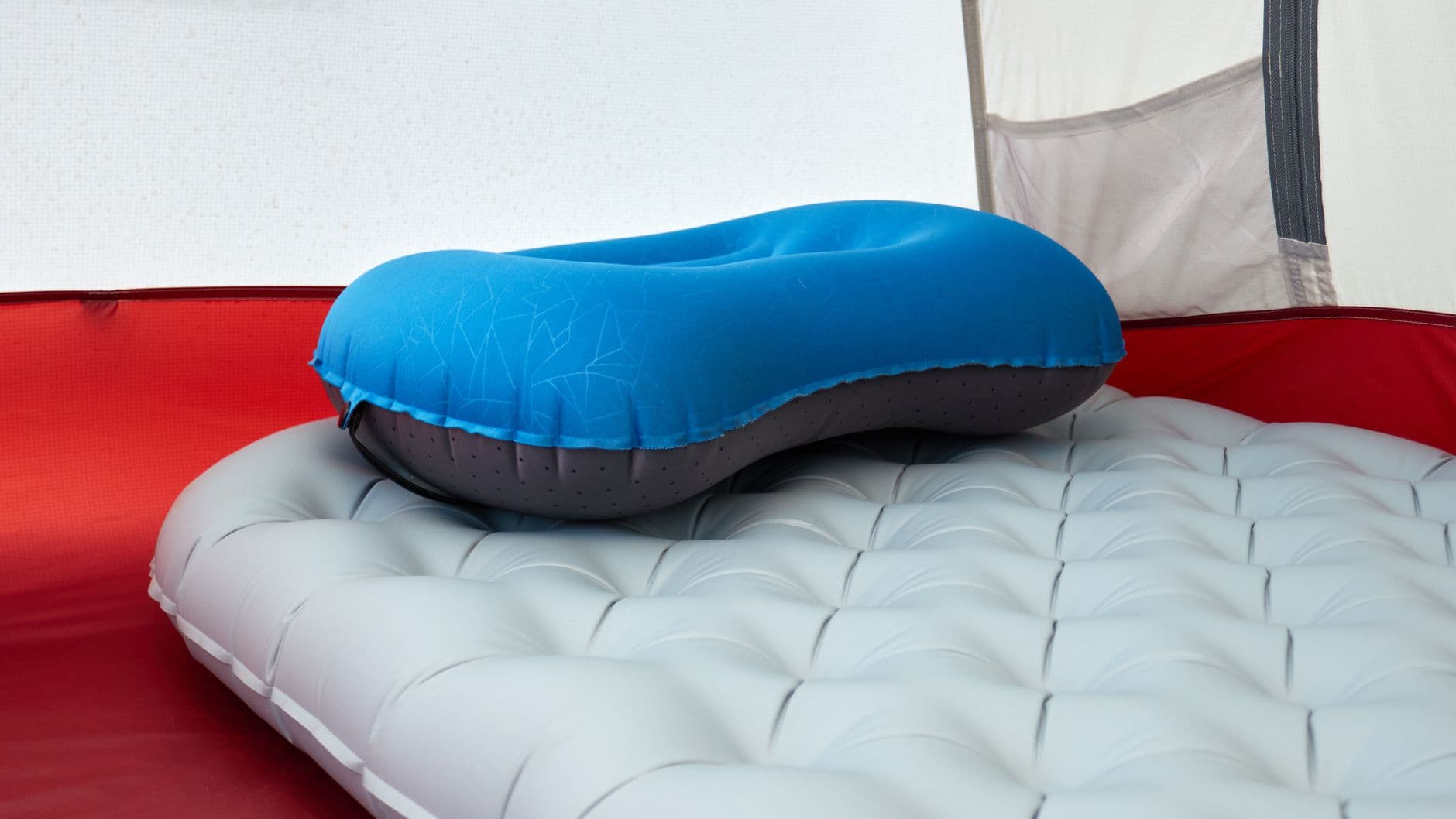
For most car campers the EXPED MegaMat 10 is the best camping mattress — thick, self-inflating, and warm enough for winter. The SoundAsleep Dream Series is the plush air-bed pick, and the KingCamp self-inflating mat is the value choice. Remember air beds are comfy but cold; a self-inflating mat or a high R-value keeps you warm below ~55°F.
“Camping mattress” covers two very different things — thick self-inflating mats (warm, stable) and tall air beds (plush, but cold). This guide is research-driven: we synthesize published specs and the patterns across many owner reviews, not lab tests. New here? Start with how to choose camping gear, or if you carry your bed, our best sleeping pads.
The best camping mattresses at a glance
| Mattress | Best for | Type | Warmth | Price |
|---|---|---|---|---|
| EXPED MegaMat 10 | Overall | Self-inflating | High (R ~8.1) | $$$ |
| EXPED MegaMat Duo | Two people | Self-inflating | High | $$$ |
| SoundAsleep Dream | Air-bed comfort | Air bed | Low | $$ |
| Coleman Double-High | Budget | Air bed | Low | $ |
| KingCamp Self-Inflating | Value warmth | Self-inflating | Medium | $ |
How we choose: research-driven picks using manufacturer-published R-values and dimensions (cross-checked, not lab-tested by us) plus the patterns across many owner reviews, from Amazon-available mattresses. See how we choose.
Our camping mattress picks
The gold standard for car-camping comfort — thick, warm enough for winter, and stable underfoot. If you want to stop dreading camp sleep, this is the do-it-all pick.
- Very warm (published R ~8.1) and 4 in thick
- Self-inflates; sleeps like a real bed
- Heavy and bulky packed
- Premium price
A single double-width version of the MegaMat so couples don't roll into a cold seam at 2am. The comfort choice for two car campers who share a tent.
- One wide, warm surface for two
- No cold gap between separate pads
- Large and heavy
- Needs a big tent floor
The popular air bed for warm-weather car camping when you want maximum plushness. Pair it with a blanket or foam layer underneath, since air beds run cold.
- Plush, tall, bed-like feel
- Built-in pump inflates in minutes
- Low insulation — cold in cool weather
- Needs power for the pump
The no-fuss budget air bed for summer family trips. It's about comfort, not warmth — add insulation underneath if nights dip below the mid-50s°F.
- Cheap, tall, and simple
- Fits most family tents
- Minimal warmth (low R-value)
- Can lose air on cold nights
A far warmer, more packable middle ground than a cheap air bed, at a friendly price — the value pick if you camp in cooler shoulder seasons. Our sleeping pad picks →
- Warmer than an air bed for the money
- Self-inflating, packs down smaller
- Thinner than a premium mat
- Firmer feel
Self-inflating mat or air bed?
The core trade-off is warmth vs height. A self-inflating mat has foam inside, so it insulates and stays stable — the better all-round camp bed. An air bed is taller and more plush but has almost no insulation, so it's a warm-weather-only pick unless you add a layer underneath. We break the decision down fully in air mattress vs sleeping pad.
Why warmth (R-value) matters more than thickness
People assume a taller bed is a warmer one — it isn't. Warmth comes from an R-value that stops the ground pulling out your heat, not from inches of air. A 10-inch air bed with an R-value of 1.5 can sleep colder than a 3-inch insulated mat. Match the R-value to the season (2+ summer, 4.5+ winter) — see what R-value you need.
FAQ
What's the difference between a camping mattress and an air mattress?
A self-inflating camping mattress has open-cell foam inside that adds insulation, so it's warmer and more stable; an air mattress (air bed) is just chambers of air, which is plush and tall but cold, because the air circulates and pulls heat away. For anything below about 55°F, a self-inflating mat or an insulated pad sleeps far warmer.
Are air mattresses warm enough for camping?
Only in warm weather. Most air beds have an R-value around 1–2, which is fine above roughly 55°F but cold below it. If you use an air bed in cooler conditions, add a foam pad or blanket underneath and use a warmer sleeping bag — the cold comes up from the ground through the moving air inside.
What thickness camping mattress is most comfortable?
For car camping, 3–4 inches is the comfort sweet spot — enough to keep hips and shoulders off the ground without feeling unstable. Air beds go taller (6–10 inches) for a bed-like height, but height isn't warmth. Thicker isn't automatically better if it's not insulated.
What R-value do I need for a camping mattress?
Match it to the season: about 2+ for summer, 3–4 for three-season, and 4.5+ for winter. The R-value measures how well the mattress stops the cold ground from stealing your heat, and it's often the real reason people sleep cold — see our full R-value guide.
Do you need a pump for a camping mattress?
Self-inflating mats mostly inflate themselves — you just top them off with a few breaths. Air beds need a pump: many have a built-in electric pump (needs power) or you carry a battery or foot pump. Factor the pump and its power source into your packing.
Complete the sleep system: our best sleeping bags, best sleeping pads, and how it all fits into a comfortable car-camping setup.