For most winter camping, a 0°F bag is the sweet spot — the Kelty Cosmic 0 (down) is the best all-round pick, the Coleman North Rim 0°F is the budget synthetic, and The North Face One Bag is the do-everything layered system. Buy a bag rated ~10–15°F colder than your coldest expected night, and pair it with a high-R-value pad — the ground steals more heat than the air.
Cold-weather sleeping bags are where temperature ratings actually matter, because getting it wrong is genuinely miserable (or dangerous). This guide is research-driven — we synthesize published specs and the patterns across many owner reviews, not lab tests. New to warmth ratings? Start with how to choose camping gear, and the deeper dive on down vs synthetic.
The best cold-weather sleeping bags at a glance
| Sleeping bag | Best for | Fill | Temp | Price |
|---|---|---|---|---|
| Kelty Cosmic 0 | Overall | Down (DriDown) | 0°F | $$ |
| Coleman North Rim 0 | Budget | Synthetic | 0°F | $ |
| TETON Celsius XXL 0 | Damp cold | Synthetic | 0°F | $ |
| TNF One Bag | Versatility | Down + synthetic | ~5–40°F | $$$ |
| Hyke & Byke Katahdin 0 | Lightweight | Down | 0°F | $$ |
How we choose: research-driven picks — published temperature ratings, fill type, and the patterns across many owner reviews, from Amazon-available bags. We don't lab-test warmth or assign scores. See how we choose.
Our cold-weather sleeping bag picks
A 0°F down bag at a mid-range price — the do-it-all winter pick for most car and backpack campers who want real cold-weather warmth without a four-figure spend. Down vs synthetic →
- 550-fill DriDown resists damp
- Warm-to-price ratio that's hard to beat
- Heavier than premium down
- Snug for broad shoulders
The cheapest honest way into 0°F camping. Synthetic fill means it keeps insulating if it gets damp — ideal for car campers who don't care about packed size.
- 0°F synthetic warmth for around $60
- Handles damp cold without losing loft
- Bulky packed size
- Heavy for backpacking
Synthetic insulation shrugs off condensation and damp better than down, and the roomy cut leaves space to sleep in a base layer — a strong choice for wet, cold climates.
- Lofty synthetic fill stays warm when wet
- Roomy XXL cut for layering or larger builds
- Very bulky
- Too heavy to carry far
Three insulation layers you can combine or separate, so one bag covers deep winter down to shoulder-season nights — the best pick if you camp across seasons and want to buy once.
- Layered synthetic + down system, ~5°F to 40°F
- Remove a layer as the season warms
- Pricier than single-season bags
- Fiddlier to pack the layers
A genuinely packable 0°F down bag at a fraction of premium-brand prices — the one to carry when weight and pack size matter but you still want sub-freezing warmth. Bags under $100 →
- Water-resistant down, low packed weight
- Cheaper than legacy down brands
- Fit runs narrow
- Down needs careful drying
How to read a cold-weather temperature rating
Most bags list an EN/ISO rating with a “comfort” and a “limit” number. The comfort rating is the honest one for a cold sleeper; the limit is where a warm sleeper is merely not shivering. Buy for comfort, and add a 10–15°F safety margin below the coldest night you expect — ratings assume you're on an insulated pad, wearing base layers, and inside a tent. A “0°F” bag keeps most people comfortable in the teens, not literally at zero. For the full breakdown, see sleeping bag temperature ratings explained.
The pad matters as much as the bag
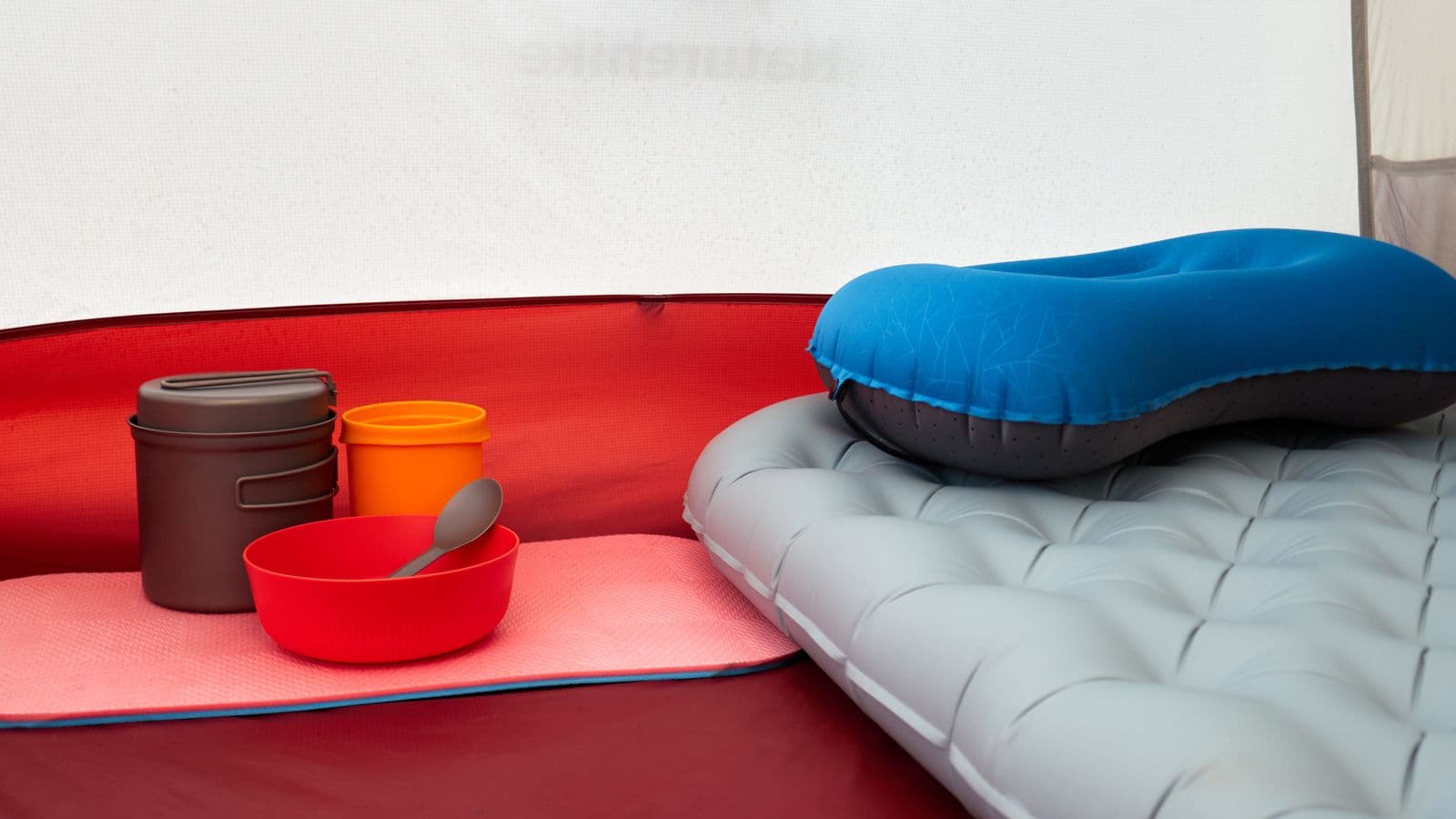
The single most common reason people feel cold in a warm-rated bag is the pad, not the bag. Insulation crushes flat under your body, so the frozen ground pulls heat straight out — a bag can only trap the warmth the pad lets you keep. For winter, use a pad with an R-value of 4.5+ (5+ for deep cold), and see what R-value you need and our best sleeping pads.
Simple ways to add warmth
- Add a liner — a fleece or thermal sleeping bag liner adds roughly 5–15°F for little weight.
- Wear dry base layers and a hat — change out of sweaty clothes before bed; your head loses real heat.
- Eat before sleep — digestion is fuel for staying warm through the night.
- Vent moisture — trapped breath dampens the fill and kills warmth; crack a vent.
- Use the hood and draft collar — cinch them; most heat escapes around the shoulders and head.
Prefer more freedom of movement? Some campers run a quilt instead of a sleeping bag, though a hooded bag seals warmth better for deep cold.
FAQ
What temperature sleeping bag do I need for winter camping?
For winter camping in the lower 48 states, a 0°F bag is the sweet spot — it covers the low-20s to low-teens comfortably with a little margin. For genuinely extreme cold (Alaska, high-altitude, or nights below 0°F), step up to a -20°F bag. Remember ratings are for survival/comfort limits, so buy a bag rated 10–15°F colder than the lowest night you expect.
Is down or synthetic better for cold weather?
Down gives the best warmth for its weight and packs smallest, so it's the choice for cold backpacking — but it fails if it gets wet. Synthetic is bulkier and heavier but keeps insulating when damp and costs less, which suits car camping and wet climates. For dry cold, down wins; for damp cold or a tight budget, synthetic.
How do I stay warmer in a cold-weather sleeping bag?
Most cold nights are lost through the ground, not the air — pair the bag with an insulated pad with a high R-value (4.5+ for winter). Then wear dry base layers and a hat, eat before bed, vent moisture so it doesn't dampen the fill, and use the hood and draft collar. A sleeping bag liner adds a few degrees, too.
Can you make a summer sleeping bag warm enough for winter?
Only up to a point. A liner adds roughly 5–15°F, a quilt or blanket over the top helps, and a warmer pad makes a real difference — but you can't turn a 40°F bag into a 0°F one safely. If you regularly camp below freezing, a proper cold-weather bag is the safer buy.
What R-value pad do I need for winter camping?
Aim for a pad R-value of at least 4.5 for winter, and 5+ for deep cold. The pad stops the frozen ground from stealing your body heat — a common reason people feel cold even in a warm-rated bag. Many winter campers stack a foam pad under an inflatable to boost R-value and add a backup.
More on sleep systems: our best sleeping bags overall, best bags under $100, and how to wash a sleeping bag so it keeps its warmth.